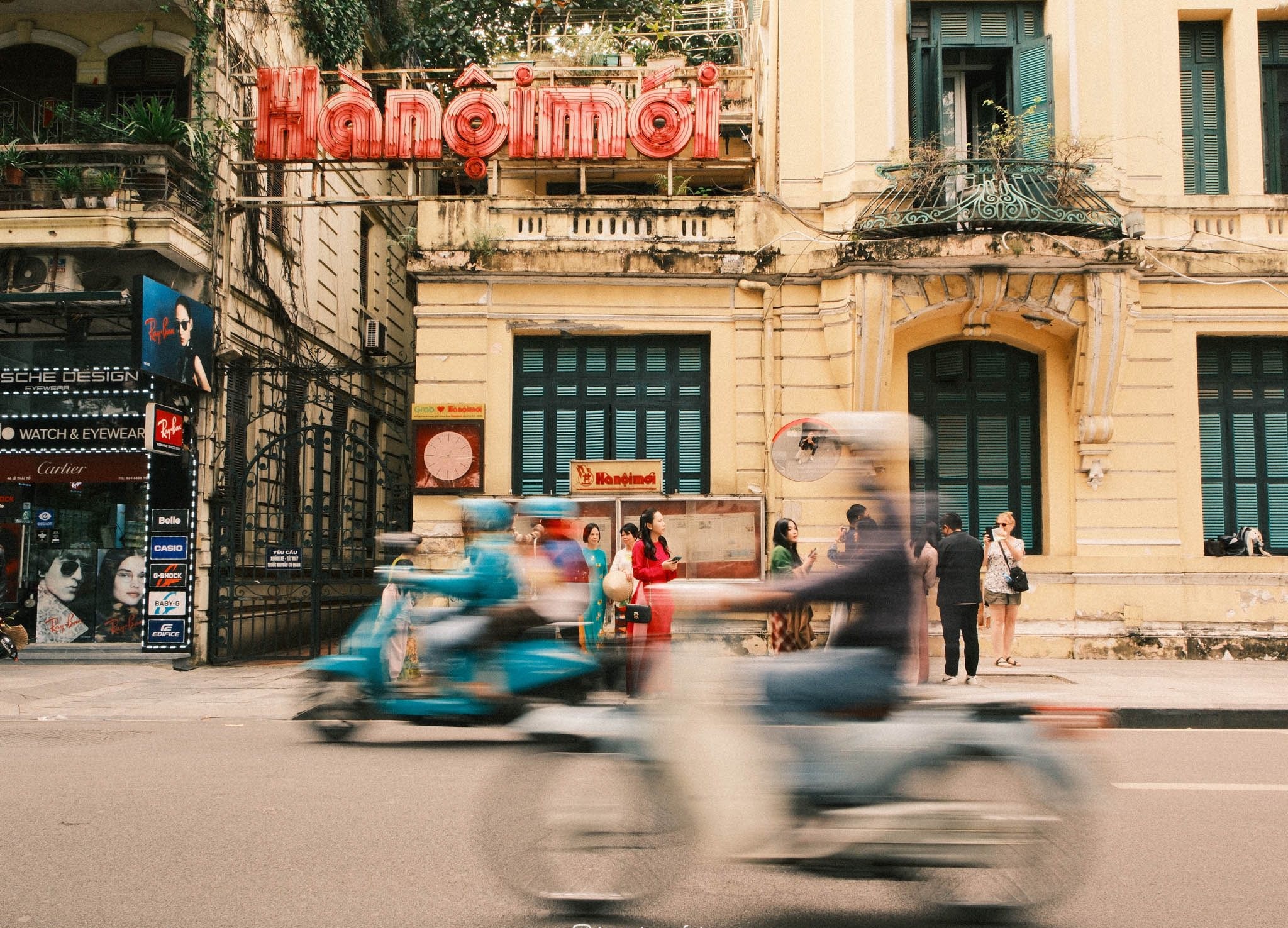
Condé Nast Traveler has cast a spotlight on Hanoi, praising its distinctive blend of French-inspired architecture, motorbike-filled streets and vibrant street-food culture- qualities that, the magazine argues, make the capital a compelling destination in its own right.
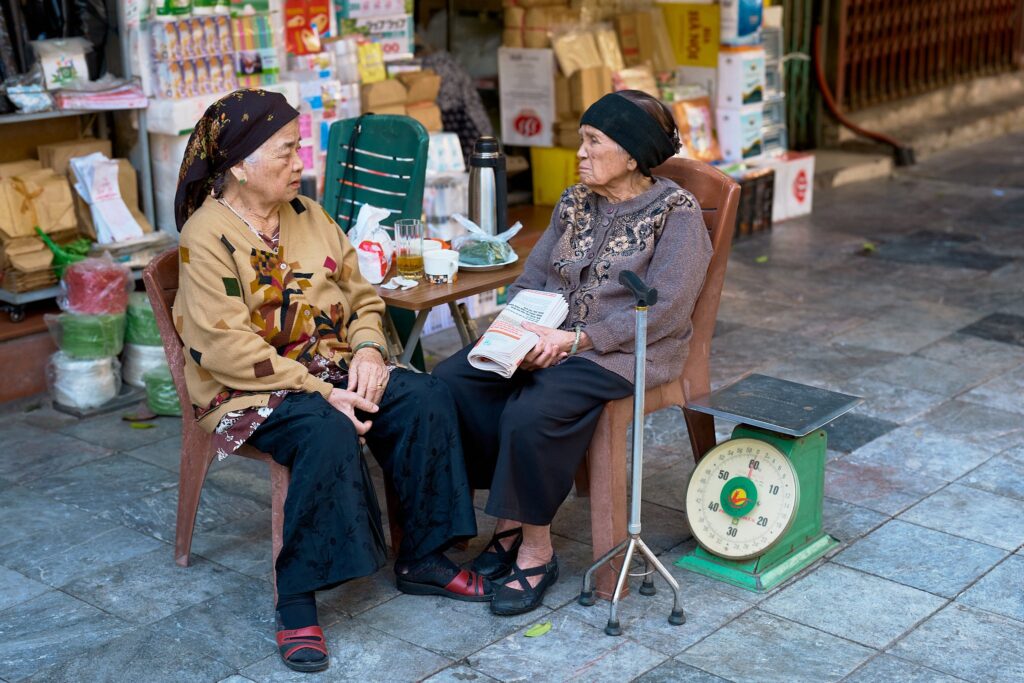
Two elderly women share a conversation on the street, capturing a simple yet timeless slice of daily life in Hanoi. Photo: Anh Dao/ Chuyen Cua Ha Noi Group
While many international travelers see Hanoi as a gateway to Ha Long Bay, Sa Pa or Ninh Binh, the US-based publication insists the city deserves far more than a brief transit stop. With more than a thousand years of history etched into its streets, Hanoi offers moss-covered relics of ancient dynasties, leafy French-era boulevards, yellow colonial villas and revolutionary slogans that still echo across public squares. Together, they form a city that is “both ancient and modern,” a duality that sets Hanoi apart on the world map.
Despite the lack of direct flights from the US, arrivals continue to rise. Visitors are drawn by the city’s poetic rhythm: early-morning mist over Hoan Kiem Lake, the clatter of ladles at pho shops opening at dawn and the thrill of Train Street, where locomotives pass just inches away from balconies and coffee tables.
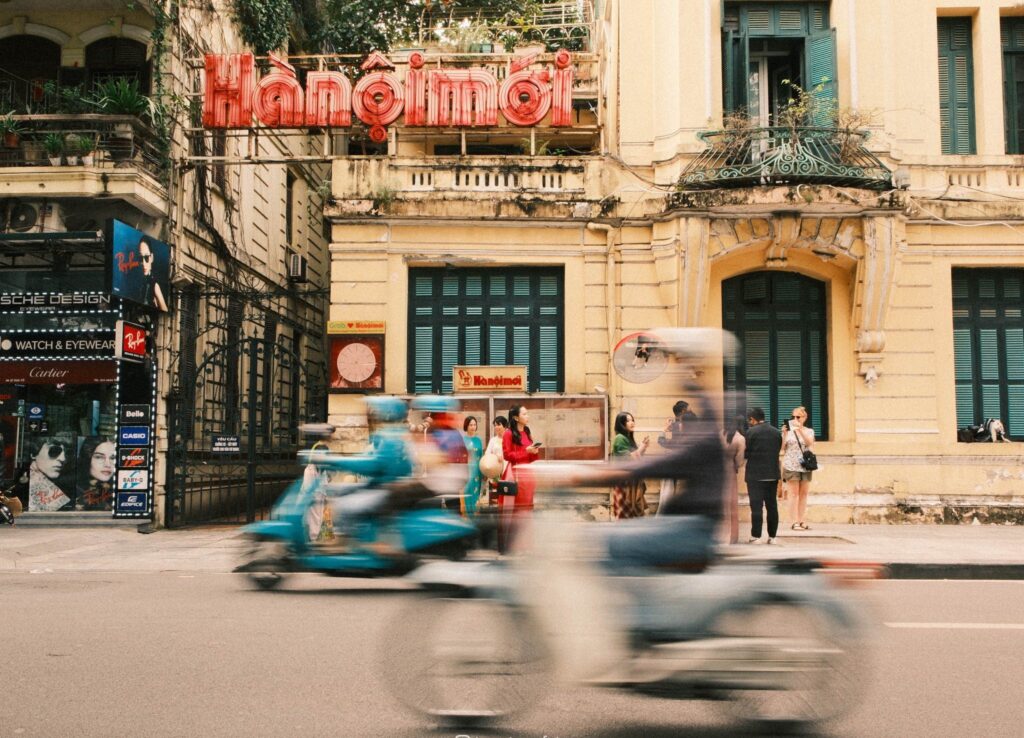
A corner of Hanoi. Photo: Duy Tuan/ Chuyen Cua Ha Noi Group
Writer Megan Campbell highlights Hanoi’s deep cultural roots, describing it as a gateway to Vietnam’s enduring craft traditions. Just beyond the urban center, ancient craft villages continue to uphold generations-old techniques like silk weaving in Van Phuc, pottery in Bat Trang, lacquerware production, incense making and conical-hat crafting. She recommends spending half a day in Quang Phu Cau incense village or Chuong conical-hat village, where the rhythm of life feels suspended in time.
Hoan Kiem Lake remains, in Campbell’s words, “the city’s beating heart.” At sunrise, elderly residents practice tai chi along the waterfront. By evening, couples wander beneath canopies of old trees. The signature red Thê Húc Bridge leading to Ngoc Son Temple glows against the water, creating one of Hanoi’s most photographed scenes.
Just north of the lake, the Hanoi Old Quarter forms a tight maze of 36 guild streets, each named after the craft once practiced there. Today, the area retains its century-old charm with tubular houses, shopfronts covered in hand-painted signage and alleys buzzing with cafés, street vendors and traditional markets. Visitors can explore Hang Bac’s silversmiths, the bamboo wares of Hang Buom, the herbal scents of Lan Ong or simply enjoy a cyclo ride through streets that still hum with the energy of ancient trade.
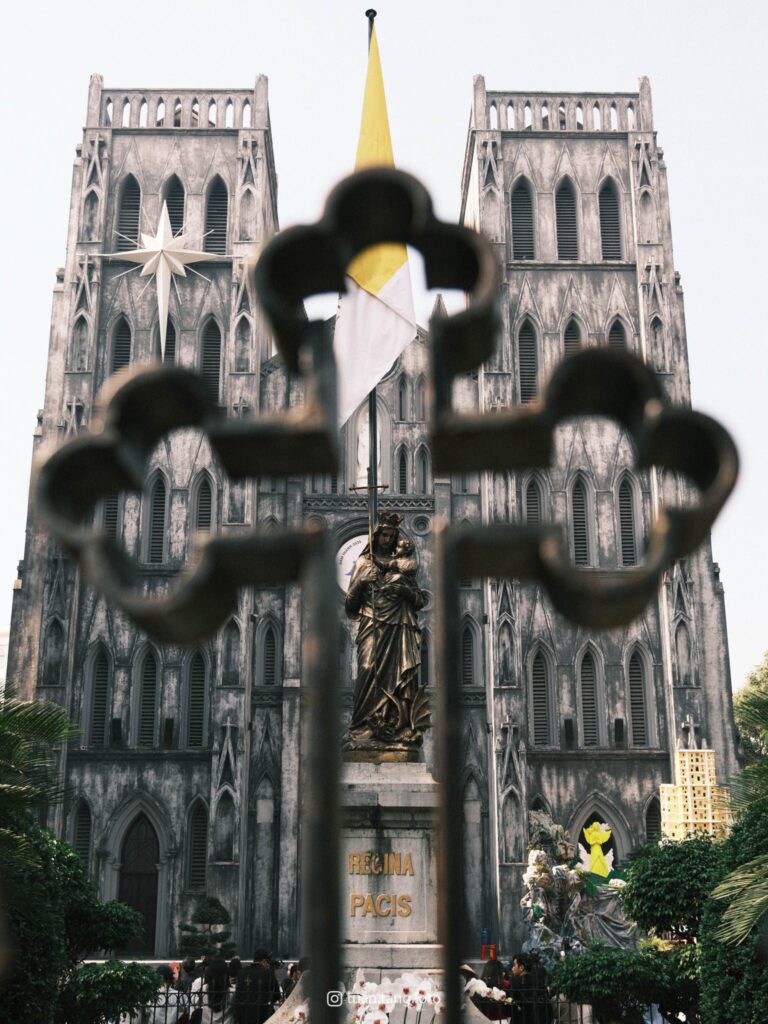
St. Joseph’s Cathedral in Hanoi glows with the spirit of the Christmas season.
To the west, the Temple of Literature- Vietnam’s first national university offers a peaceful step into the past, with stone steles honoring scholars dating back almost a thousand years. Nearby, Hoa Lo Prison stands as a stark reminder of the colonial period and later wartime history.
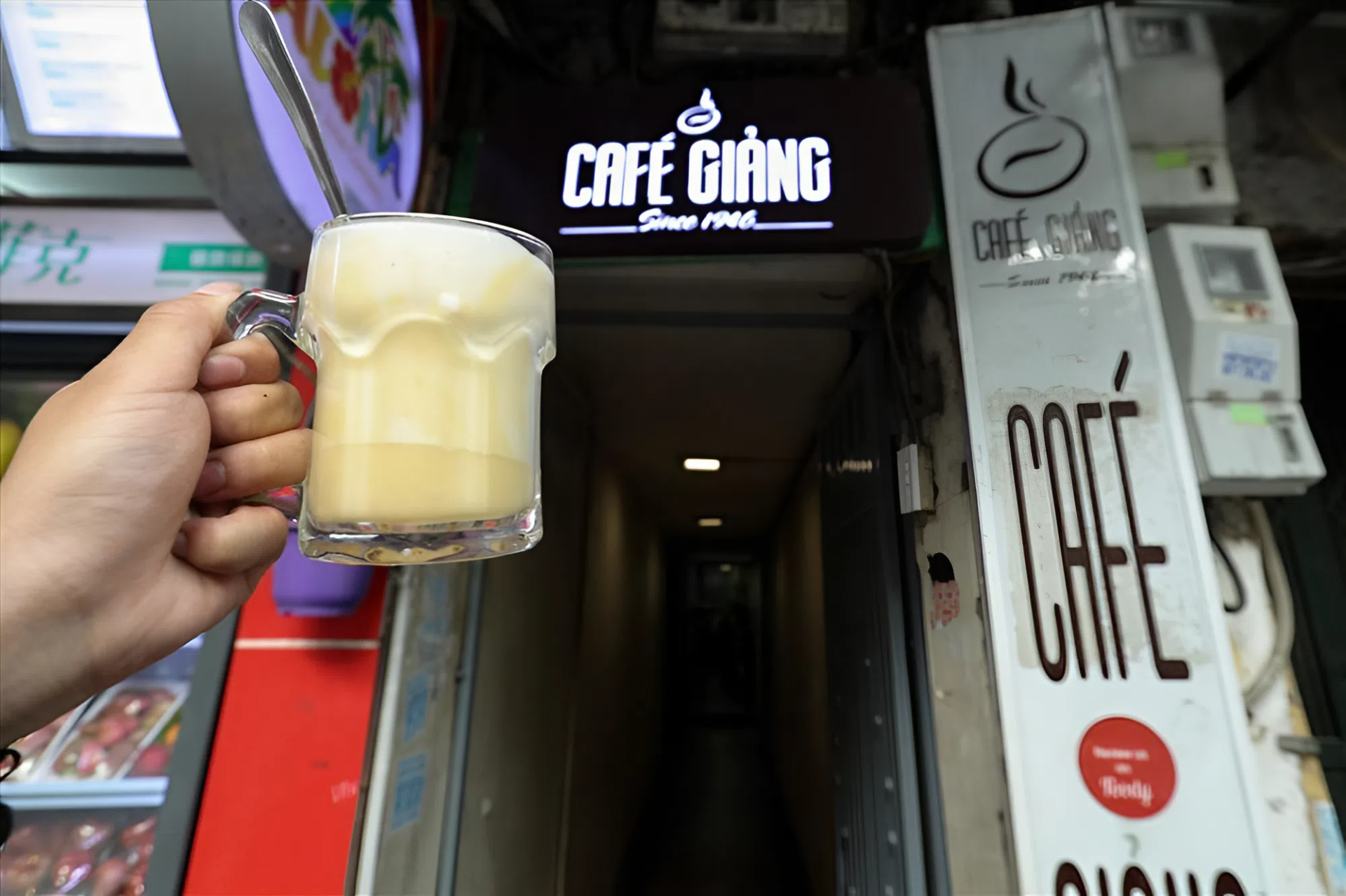
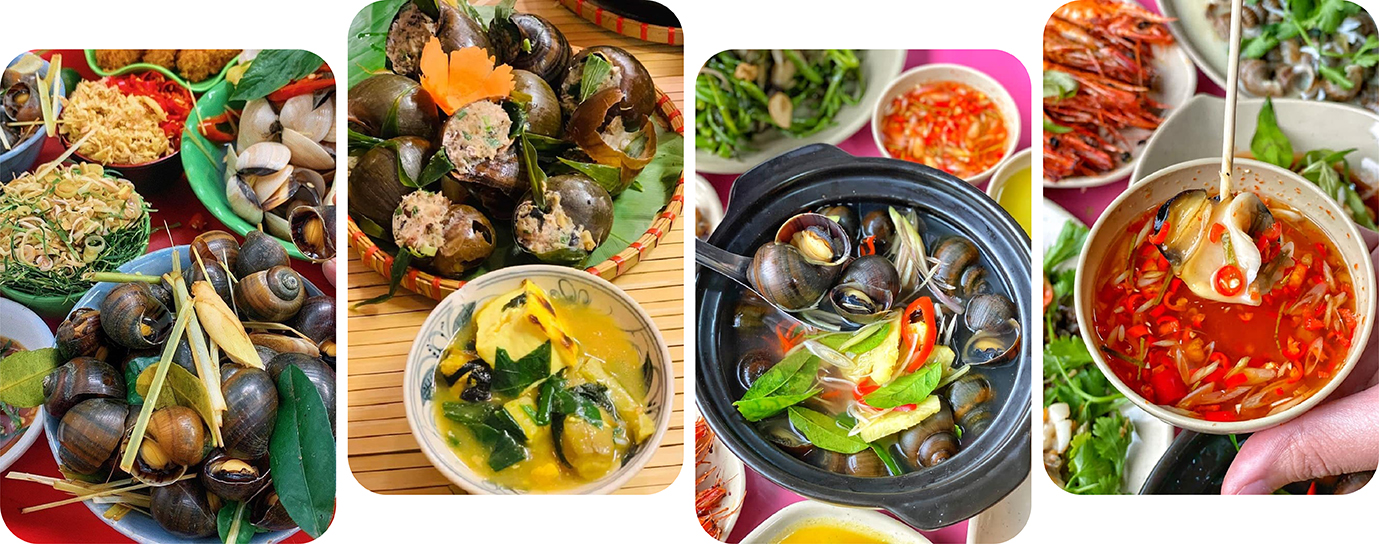
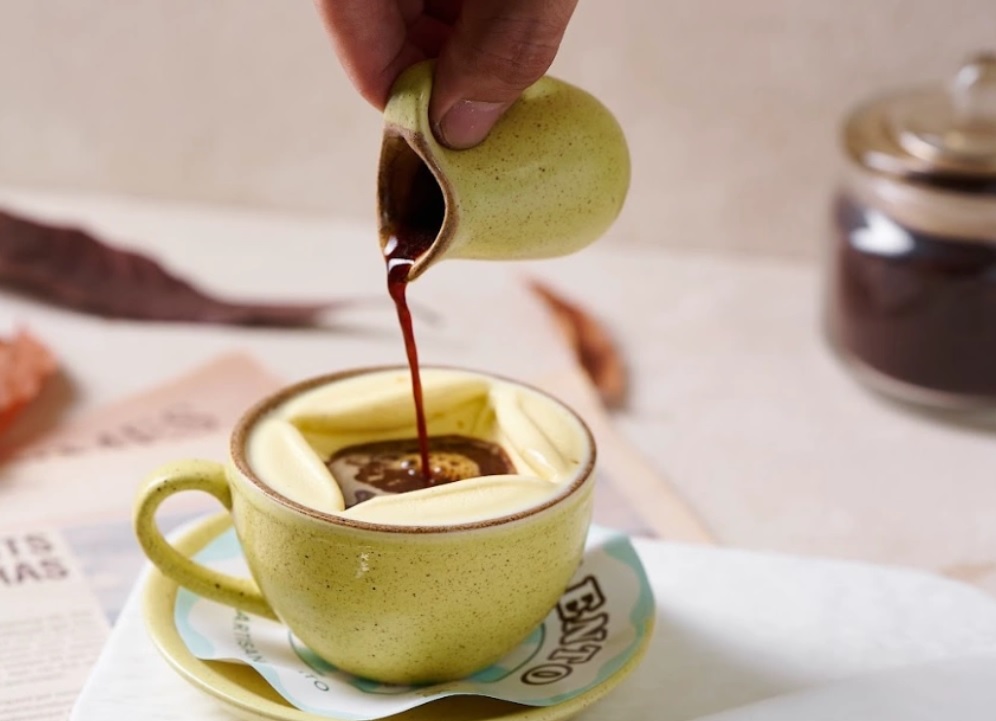
Food remains one of the city’s strongest impressions. Condé Nast Traveler praises Hanoi’s street-food culture for its bold flavors, traditional cooking techniques and constant reinvention. Pho is the undisputed symbol, but bun cha, banh cuon, bun thang, xoi xeo and the famous egg coffee also leave travelers captivated.
Visitors themselves echo this sentiment. Emma Rodriguez, a traveler from Spain, said bun cha quickly became her favorite street food after wandering through the Old Quarter’s bustling food alleys. “I thought I knew Vietnamese food before coming to Hanoi, but the street food here is on another level. The flavors are fresh, the cooking is right in front of you and every corner has something new. It’s a city where eating feels like exploring,” she said.
-1743834399.jpg "Hình ảnh 1")
Pairing two seemingly unrelated delicacies: egg coffee and com (young sticky rice) is trendy in Hanoi. Photo: Nga Duong
Alongside traditional fare, a new generation of young Hanoian chefs is reshaping the local culinary scene by blending French techniques with Vietnamese ingredients. Meanwhile, hidden cocktail bars tucked into narrow alleys add another layer to the city’s nighttime charm.
For accommodation, Condé Nast Traveler highlights standouts such as Capella Hanoi, a boutique property designed by architect Bill Bensley and the iconic Sofitel Legend Metropole Hanoi, which has welcomed global figures for over a century. Travelers seeking panoramic views can head to the Lotte Hotel with its 62nd-floor infinity pool, while the upcoming Four Seasons Hanoi near Hoan Kiem Lake is set to elevate the city’s luxury offerings when it opens in 2026.
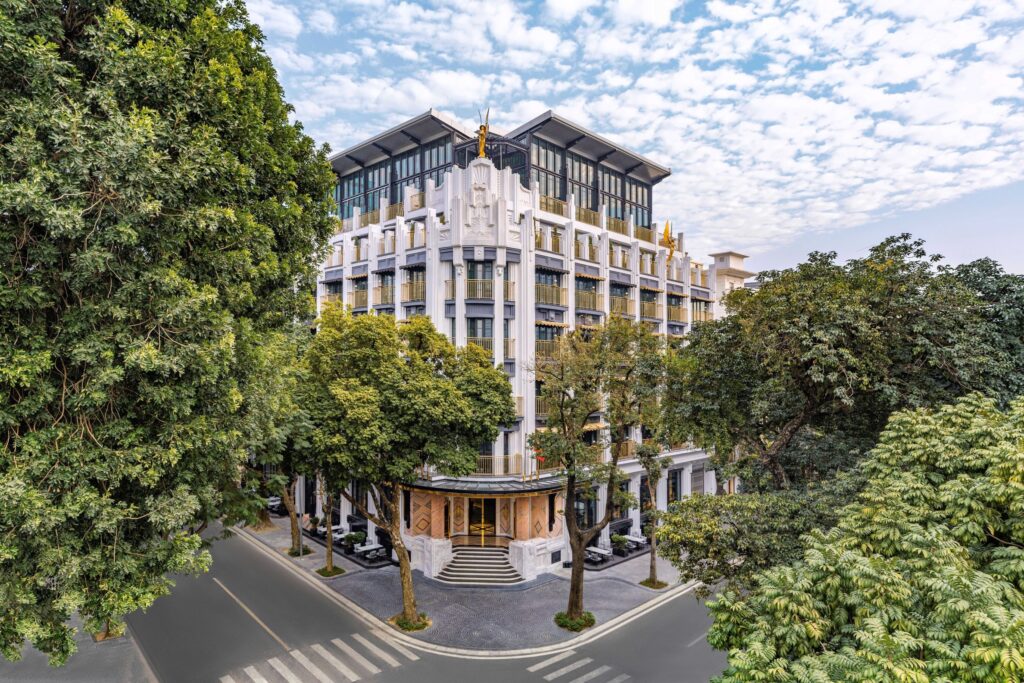
The iconic facade of Capella Hanoi Hotel. Photo courtesy of the hotel.
As daylight fades, the pedestrian streets around Hoan Kiem Lake transform into a lively cultural hub filled with music performances, buskers, families, and bustling food stalls. The Hanoi Opera House continues to host ballets and symphonies, while water-puppet theaters and traditional art venues offer deeper insight into Vietnamese culture. Beyond the center, quieter activities like cycling around West Lake, visiting ancient pagodas or relaxing in French villas converted into cafés that provide visitors with a slower, more contemplative side of the city.
Condé Nast Traveler, established in 1987 under the Condé Nast media group, is known for its in-depth travel reporting and editorial surveys showcasing the world’s most captivating destinations. Its portrait of Hanoi reaffirms what many travelers already feel: the capital is a place where history lingers in the air, culture thrives on every street corner and the charm is as timeless as it is irresistible.
By Cam Anh