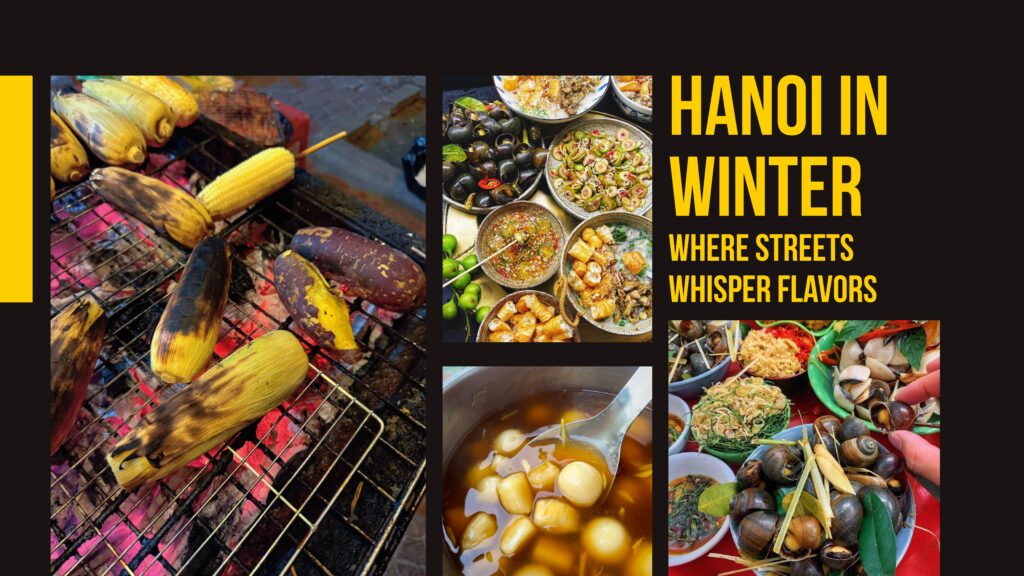

For many, winter in Hanoi is a season of love marked by firm hand-holding, tight embraces and warm street food shared with someone special. In the crisp air, the city becomes a quiet sanctuary where flavors and feelings intertwine.
Winter in Hanoi is like a gentle culinary symphony. The snacks, unpretentious yet deeply alluring, invite visitors to pause at a humble vendor’s stall and simply savor the moment. More than comfort food, these winter treats carry memories, customs, and the invisible threads that connect people.

Hanoi’s winter exudes a charm that is both distinctive and unforgettable. The golden-red hues of the sun and falling leaves, along with the fragrances drifting from food carts along the sidewalks, come together to create a romantic ambience that Hanoi expats miss dearly.
Many of the capital’s signature dishes feel as if they were crafted specifically for cold weather. While good food can be enjoyed year-round, it is in winter that these flavors reveal their full depth.
Hanoi’s winter cuisine, much like the city itself, evokes nostalgia for anyone who has wandered its streets. Singer Kyo York, for instance, never misses a chance to revisit his favorite Hanoi delicacies whenever he returns for performances or work. Many artists share similar affection as proof that these dishes linger in memory not simply because of their taste, but because of the stories and places intertwined with them.
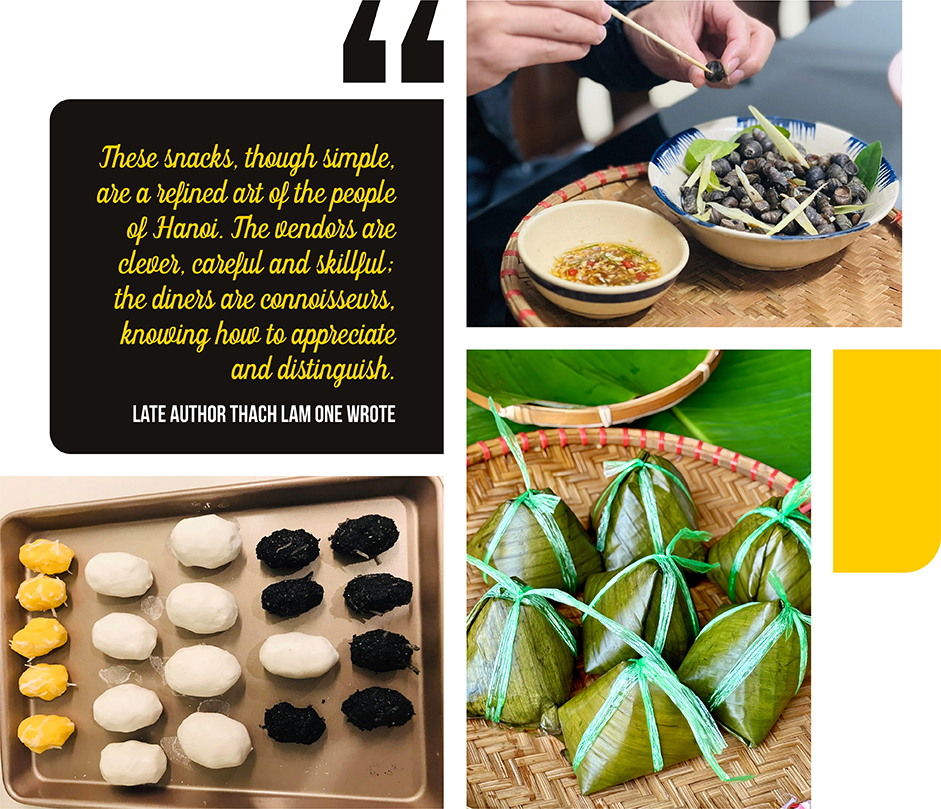
To locals, too, these flavors mark the rhythm of life. Nguyen Thu Ha, a 42-year-old office worker from Ngoc Ha Ward, describes winter food as the city’s emotional compass: “Hanoi gets into your heart through these small bowls and plates. When I smell ginger syrup from a Banh troi tau stall or roasted corn along the Red River, it feels like my childhood is calling me. Winter food isn’t about being full, it’s about feeling at home.”
Travelers visiting the capital share the same sentiment. Jacob Turner, a British backpacker on his third trip to Hanoi, recalls how the city’s winter dishes transformed his idea of street food as he says: “The best way to experience Hanoi’s flavors is to sit on a tiny stool, steam rising from a bowl of congee, scooters buzzing past. Hanoi’s winter dishes taste like the city itself with bold, warm and unforgettable notes.”
These personal connections reveal how Hanoi’s food is not only aromatic and flavorful, but also tied to familiar streets and intimate moments.
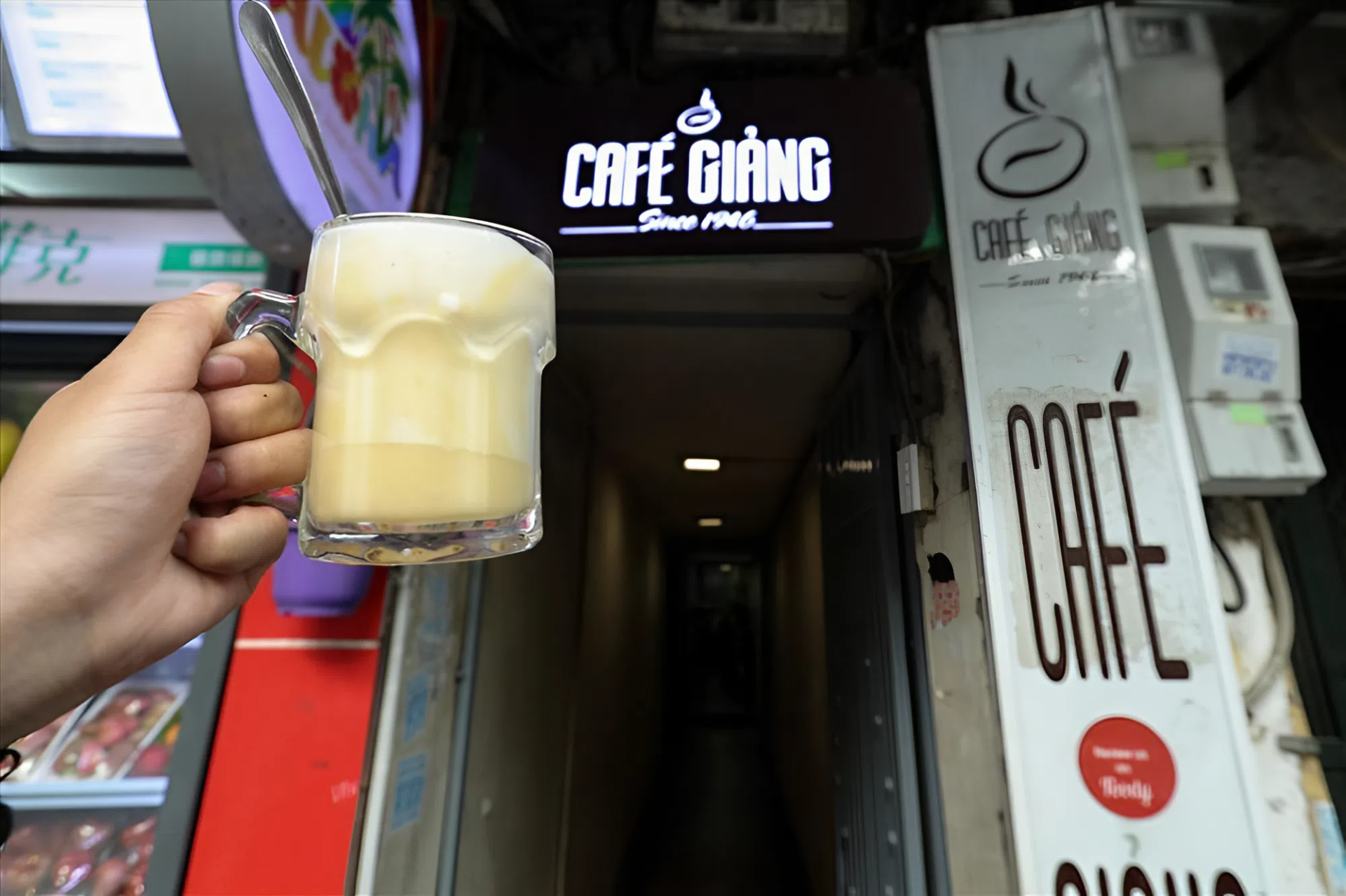
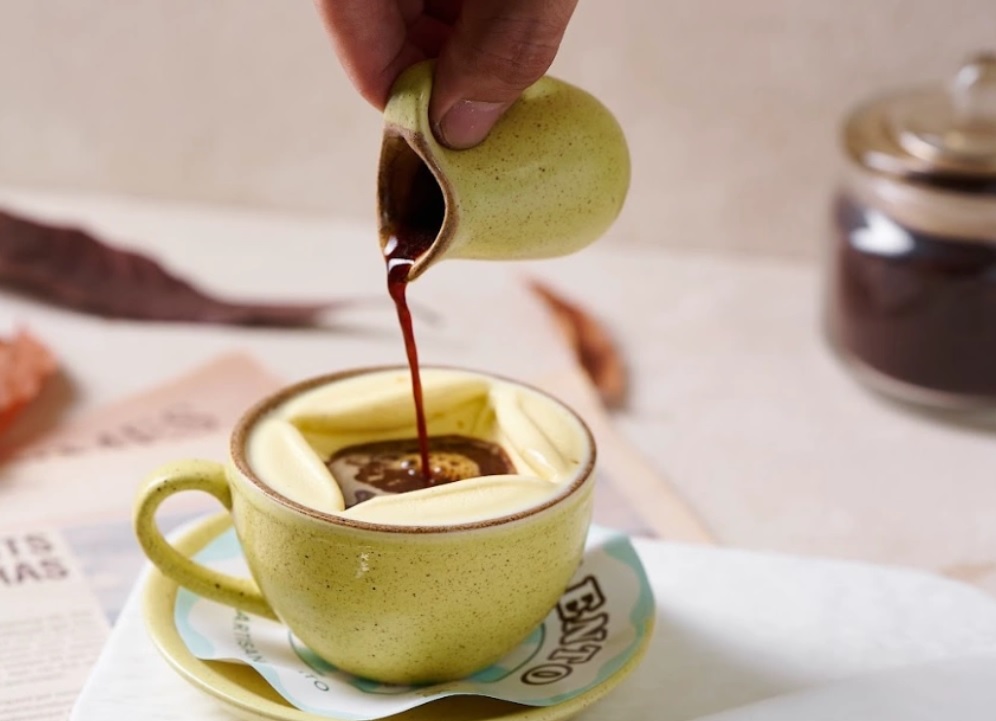
On cold days, the scent of coffee along Hue, Hang Bai, or Nguyen Huu Huan streets seems to warm the soul from afar. Walking in the biting wind, one easily feels compelled to stop at a roadside café, cradle a steaming cup, and let time slow with every drip. Many choose spots by the Red River with sweeping views of Long Bien Bridge, or cafés by West Lake where waves gently lap the shore, settings where conversations soften, thoughts wander and memories form.
And you, what winter flavors of Hanoi have left their mark on your heart?

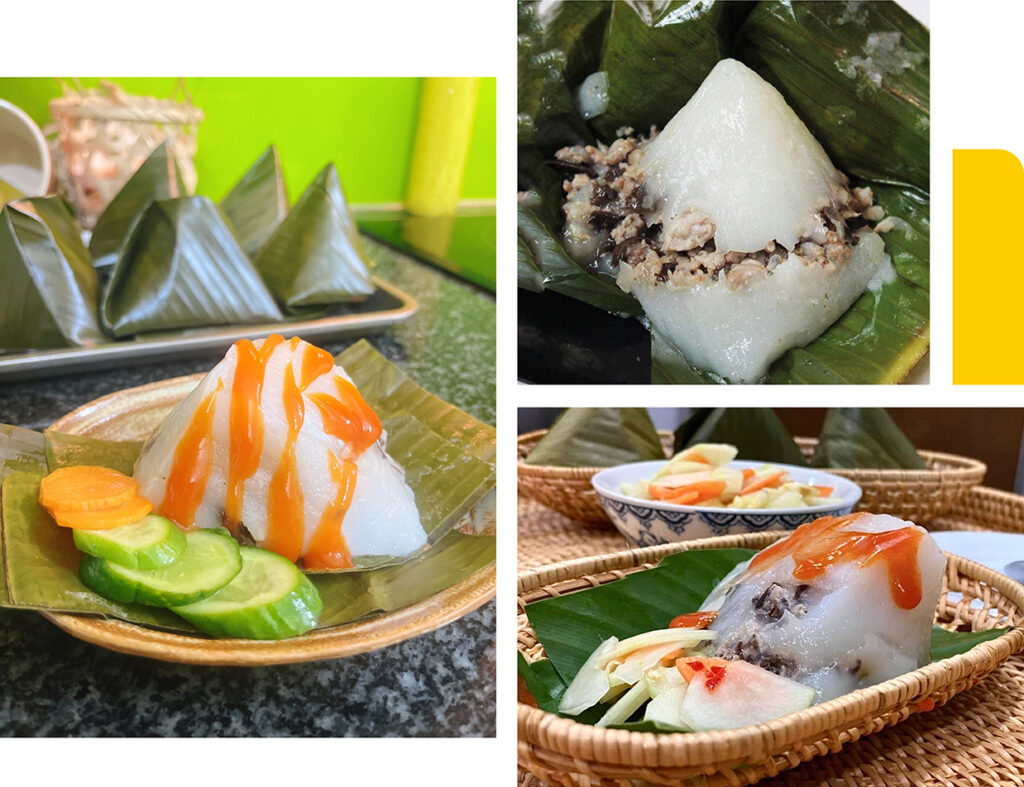
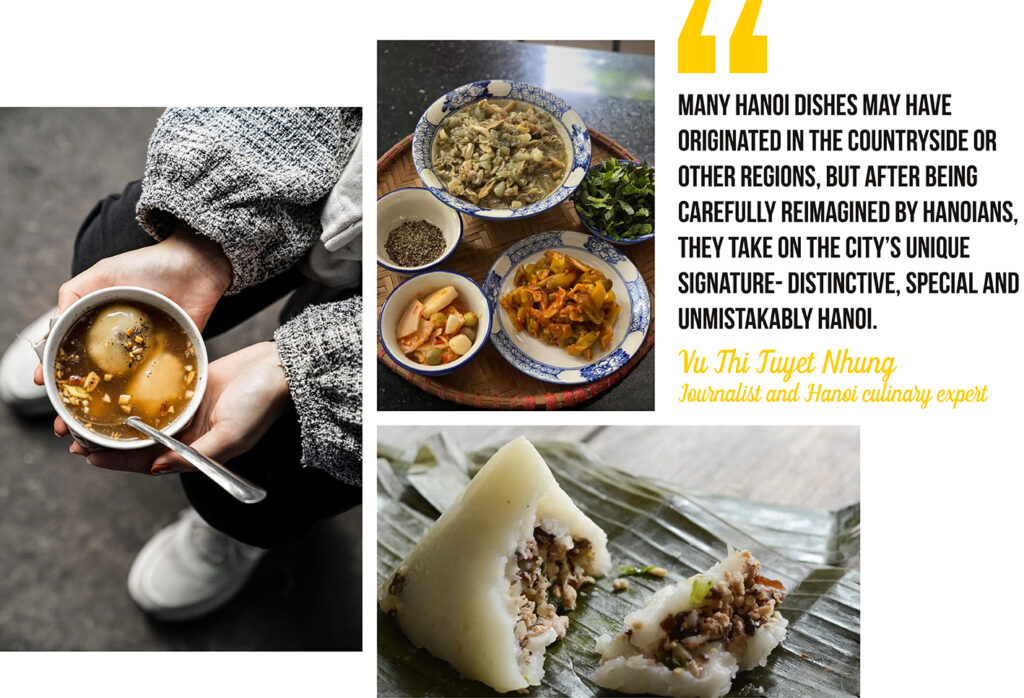
Unwrapping the dark green banana leaves reveals the soft, chewy Banh gio or steamed pyramid-shaped dumplings filled with minced pork and wood ear mushrooms. One bite sends warmth from your tongue straight to your core.
The aroma of the filling, the gentle fragrance of the rice flour, and the distinctive scent of phrynium or banana leaves blend harmoniously. Paired with sour pickles, Banh gio becomes so irresistible that some diners easily enjoy two or three at a time.
Perfect at breakfast, lunch, or a late-afternoon craving, these dumplings are both delicious and wholesome. Their alluring fragrance alone can stop passersby in their tracks. That’s why stalls near Dong Xuan Market and on Thuy Khue Street are perpetually crowded, especially when cold breezes sweep through the city.

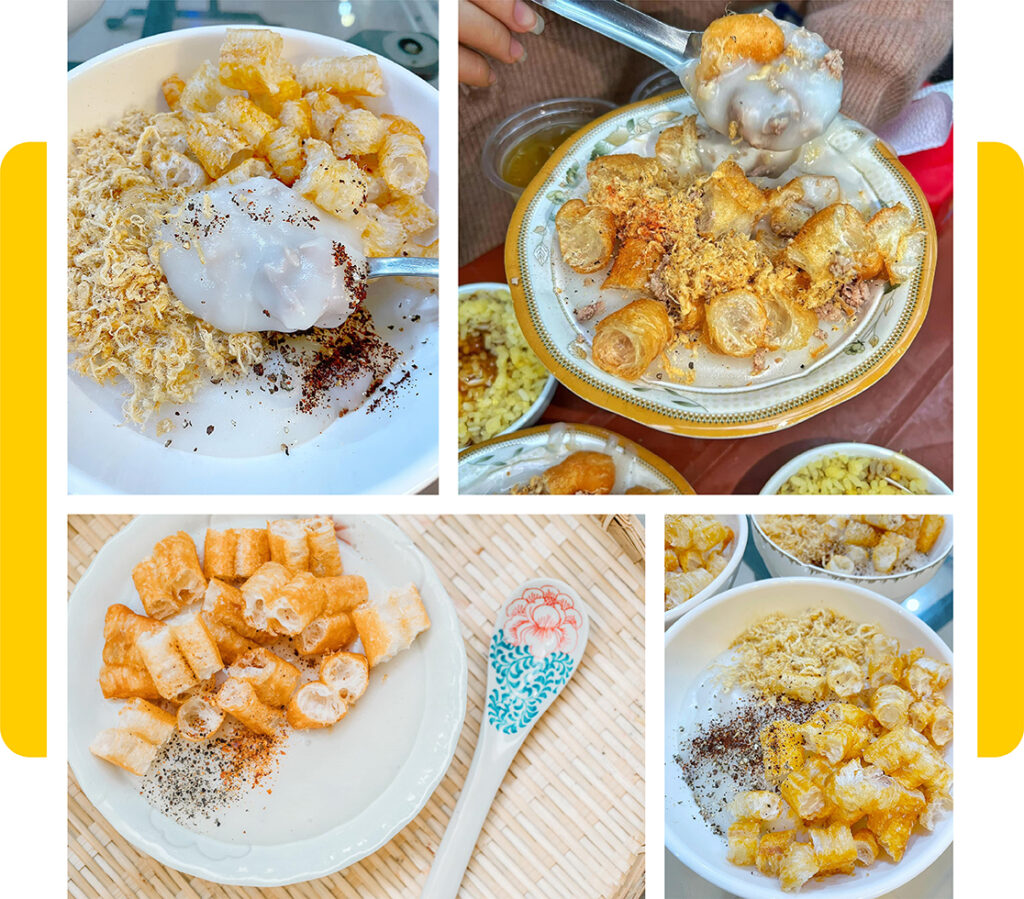
A steaming bowl of Chao suon or pork rib congee is usually sprinkled with pork floss and accompanied by crispy fried dough sticks, is enough to warm an entire winter afternoon.
Made from white rice and spare ribs, the porridge gains sweetness from ribs stewed for hours. After bonding, the tender pork is returned to the slow-simmered pot, melding with the creamy porridge. Whether eaten at breakfast or in late afternoon, its comforting flavor is unmistakable.
Popular Chao suon spots on Ly Quoc Su and Hang Bo streets remain beloved stops in the Old Quarter.

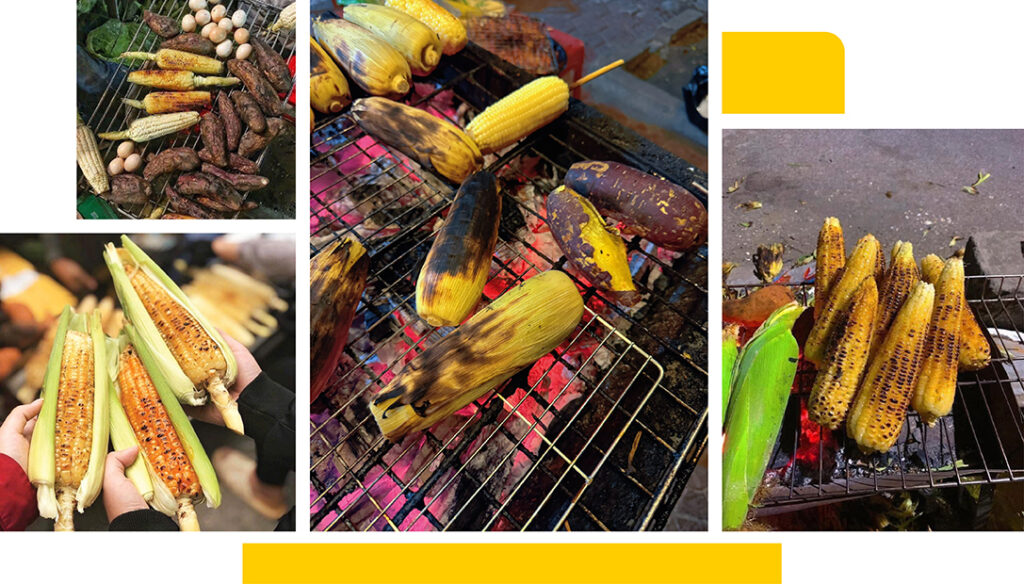
Among the crowds, you can easily spot golden corn and sweet potatoes sizzling over charcoal. Their sweet, smoky aroma rides on the winter wind, warming anyone who passes by.
Sitting by the fire, waiting for the skin to char and reveal the soft, fragrant flesh inside, brings a rustic yet intense delight- one of winter’s simplest pleasures.

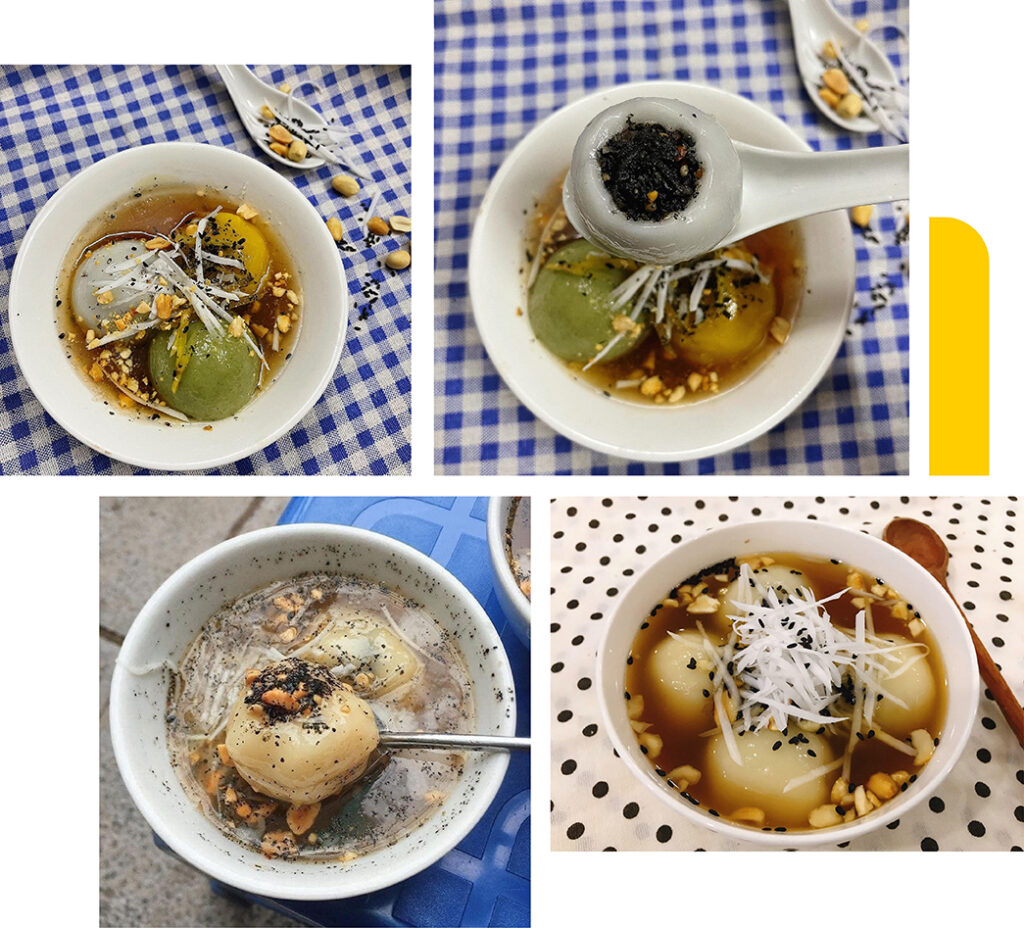
In steaming bowls of ginger syrup float white glutinous rice balls filled with black sesame or mung bean paste.
Though its recipe seems straightforward- rice flour mixed carefully with water, filled, shaped, and boiled- Banh troi tau demands precision. The reward is a delicate, fragrant treat whose dough is perfectly textured and whose fillings burst with sesame or green bean aroma.
When the rice balls rise to the surface, they are scooped out, sprinkled with roasted sesame, and served hot. Hanoians often gather on Hang Can, Hang Dieu, or by Hoan Kiem Lake to enjoy this winter specialty long associated with poet Ho Xuan Huong.

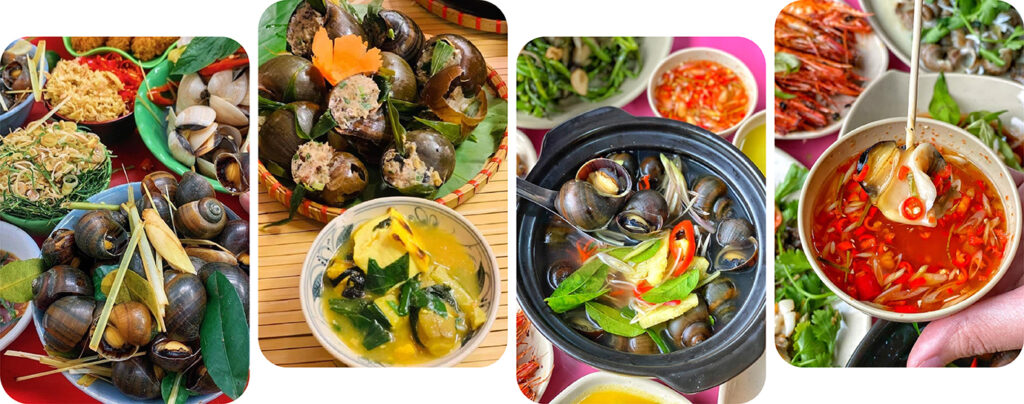
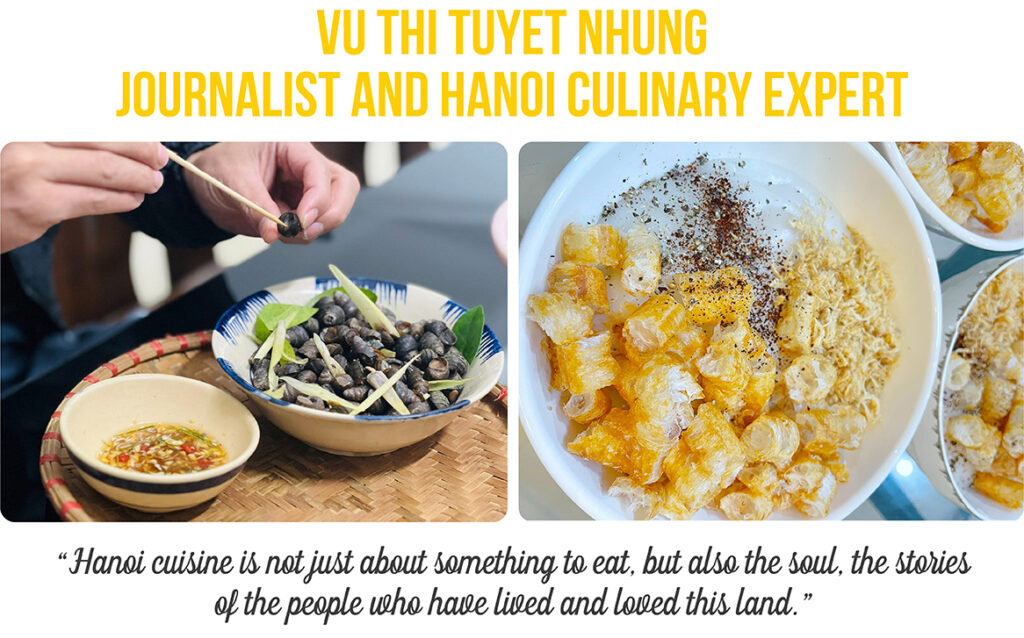
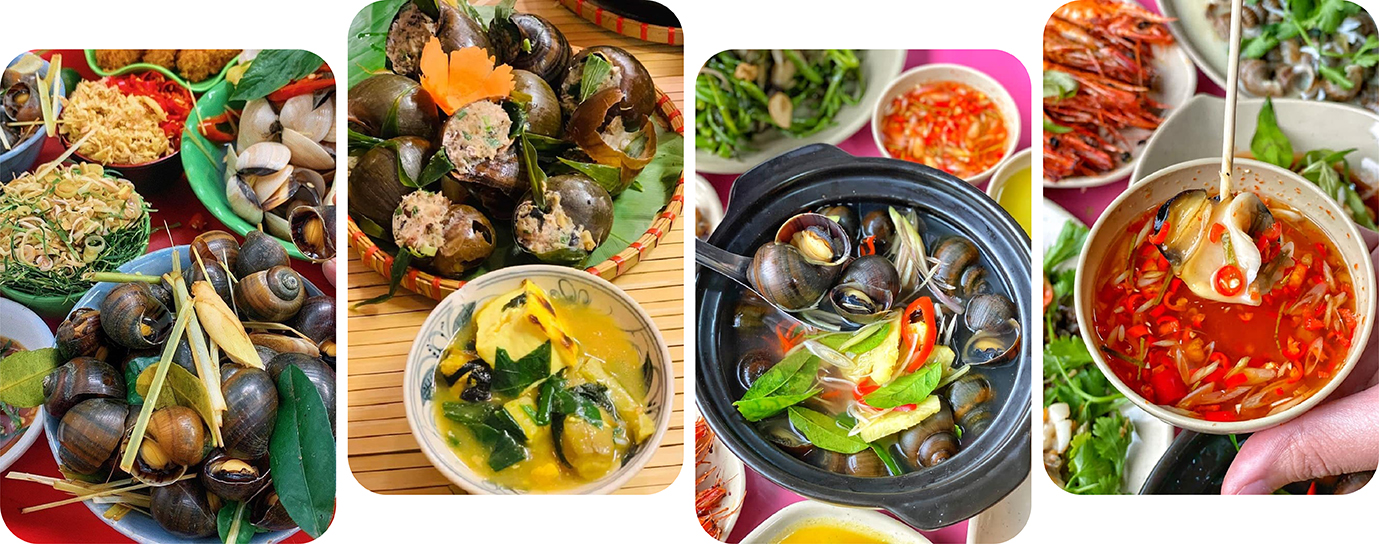
Boiled or stir-fried, hot snails are beloved staples of Hanoi’s sidewalk eateries. On cold evenings, digging into a bowl of steaming snails and dipping the chewy morsels into ginger-infused sweet-and-sour sauce feels like a well-earned reward.
Stir-fried snails require even more effort- cooked whole in coconut milk or tamarind, they demand nimble work with small picks, fingers, and teeth. But this tactile experience is precisely what locals enjoy: the pleasure of savoring something labored for.
Hang Da, Dinh Liet, and Tran Huy Lieu streets are well-known havens for snail lovers, offering countless variations from boiled snails to vermicelli snail soup.

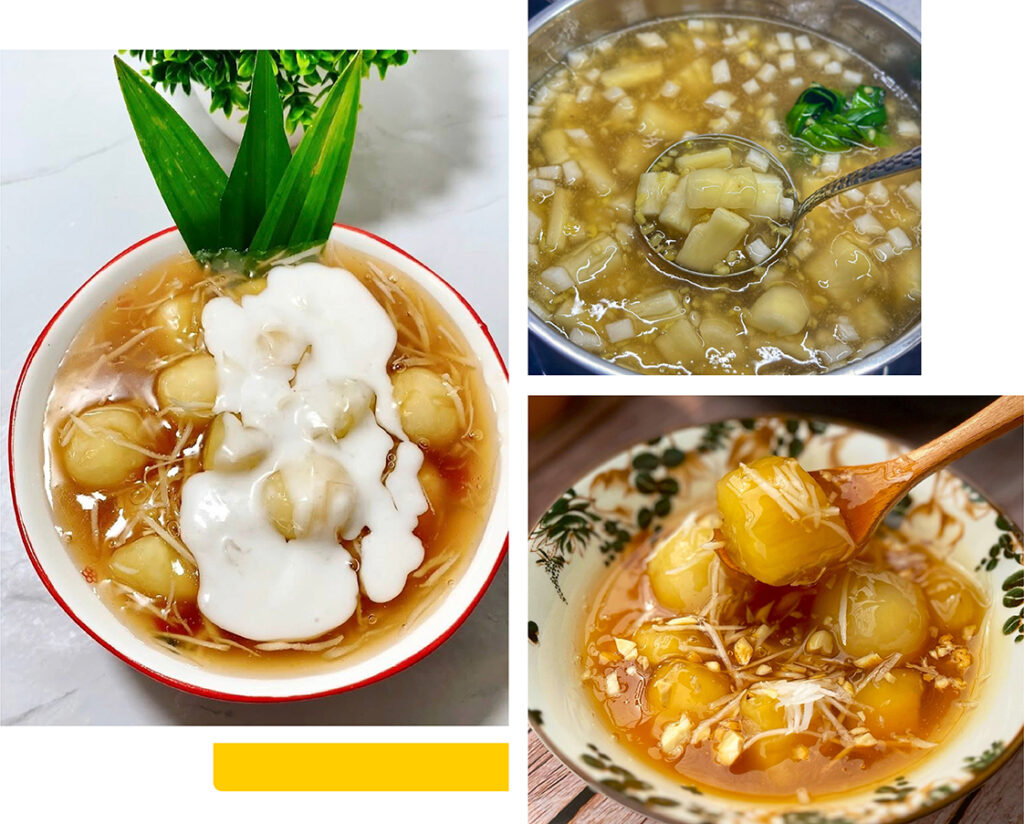
Che san or hot cassava sweet soup charms diners with its chewy cassava pieces immersed in thick golden-brown tapioca, warmed by ginger and enhanced by coconut fragrance.
Though served throughout the city, the most authentic versions await on Ly Quoc Su and Luong Dinh Cua streets, where small sidewalk stalls ladle out bowls that perfectly complement Hanoi’s winter chill.

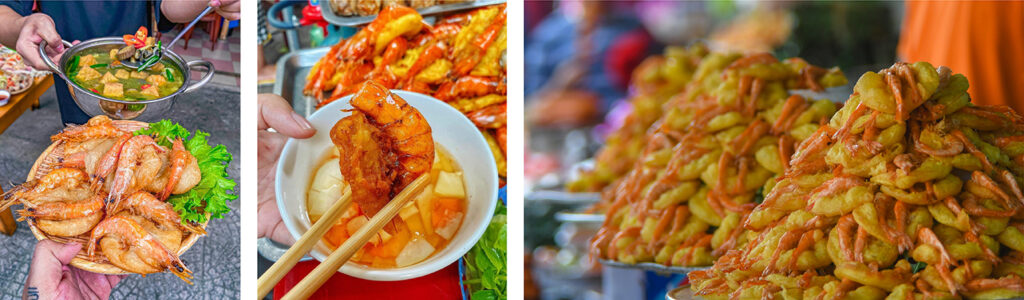
Banh tom Ho Tay, or West Lake shrimp cakes, are often at the top of any visitor’s food list. Named after the lake where its freshwater shrimp are sourced, the dish presents a vibrant plate of crispy golden cakes with tender, mildly sweet shrimp embedded within.
Cut into small pieces, wrapped in fresh herbs, and dipped into sweet-and-sour fish sauce with green papaya and carrot, Banh tom becomes a wonderfully balanced winter treat. Once considered a luxury in Hanoi’s subsidy era, it remains most famous around West Lake in Tay Ho Ward.

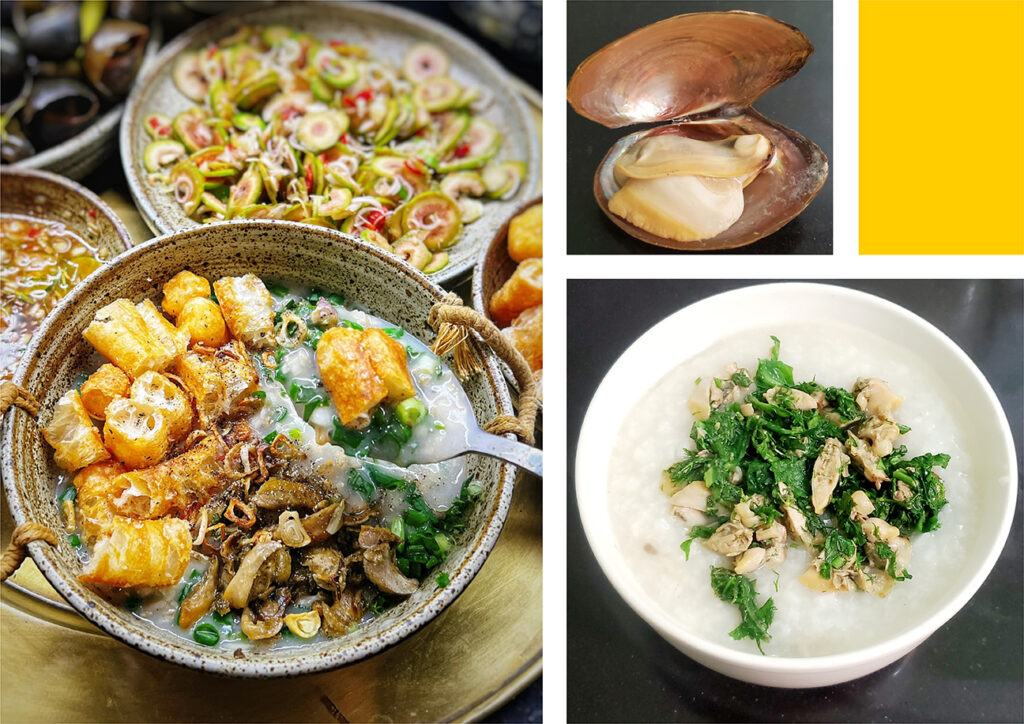
Alongside spare rib congee, Chao trai or clam congee is another winter favorite. A bowl combines creamy porridge, chewy clam meat, fragrant Vietnamese coriander and a touch of chili warmth.
Nearly every Hanoian knows the long-standing shop on Tran Xuan Soan Street, where the dish has been perfected over decades. Owner Le Minh Hang, who inherited the craft from her grandmother, explains that while the dish seems simple, truly delicious Chao trai requires fresh, fatty clams and high-quality rice.
Popular as a late-afternoon snack, many diners prefer ordering only a half bowl- just enough to warm the stomach and the spirit.
Hanoi’s winter flavors are not merely dishes but memories that steam, simmer, sizzle, and glow through the cold months. They are the city’s way of inviting you to slow down, embrace the chill and savor the warmth found in every bite.