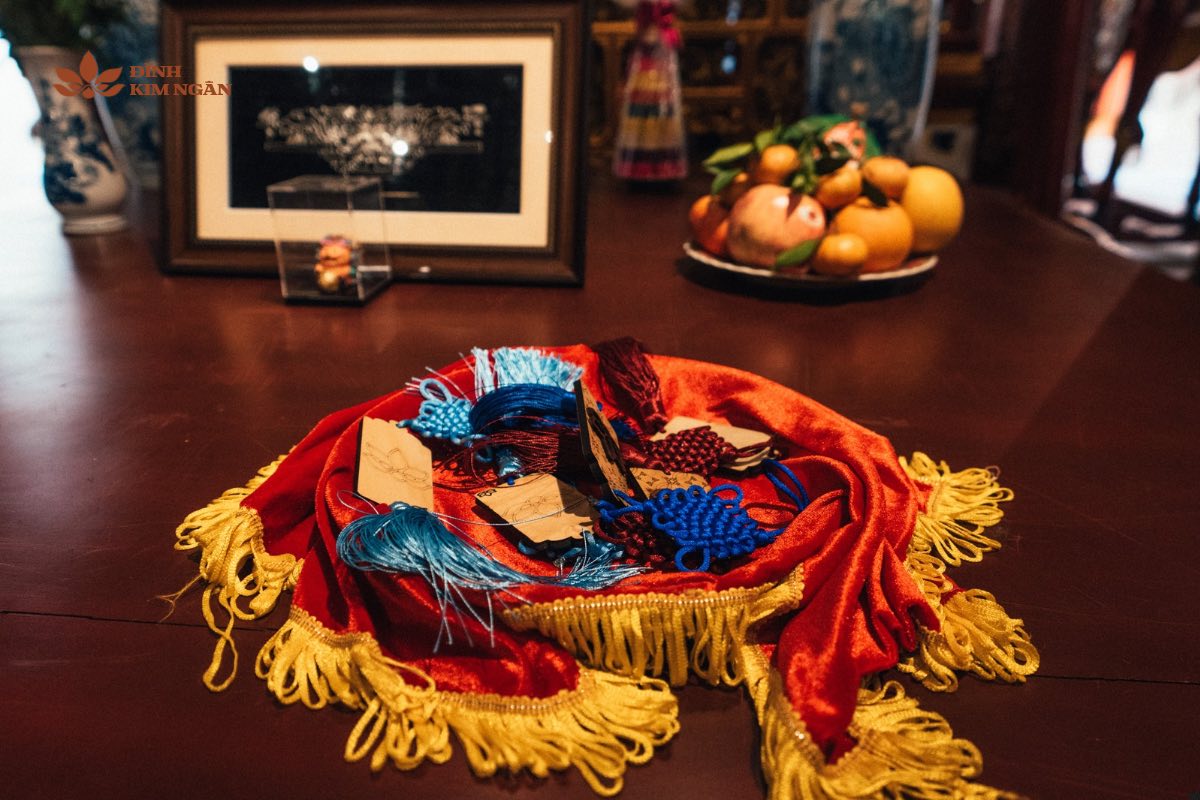
The launch of the “Kim Ngan Communal House Storytelling Space” marks a new step in connecting Hanoi’s heritage with the public, while creating a contemporary cultural space for visitors to experience the city’s traditional craft identity.
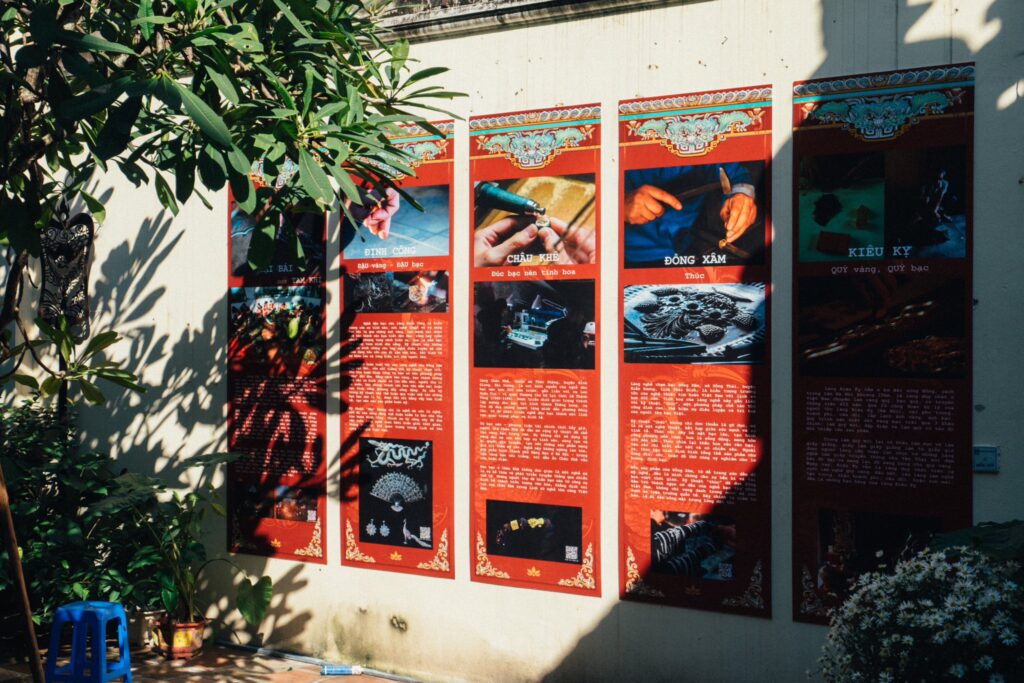
Kim Ngan Communal House now features a dedicated space that introduces visitors to Vietnam’s traditional jewelry craft. Photo: Kim Ngan Communal House
Introduced by the Hoan Kiem Lake and Hanoi Old Quarter Management Board, together with Boi An Design JSC.Ltd and the Center for the Promotion of Vietnam’s Intangible Cultural Heritage, the project was unveiled as part of the 20th anniversary of Vietnam Cultural Heritage Day (November 23, 2005 – 2025). Regular exhibitions on the goldsmithing craft, along with souvenir displays, welcome visitors to Kim Ngan Communal House at 42 Hang Bac Street, Hoan Kiem Ward, Hanoi.
With displays of handcrafted products and historical materials, the project aims to reconnect the architectural and cultural character of Hanoi’s craft streets with their original community values. This approach not only preserves local heritage but also turns it into a resource that supports today’s cultural and creative industries.
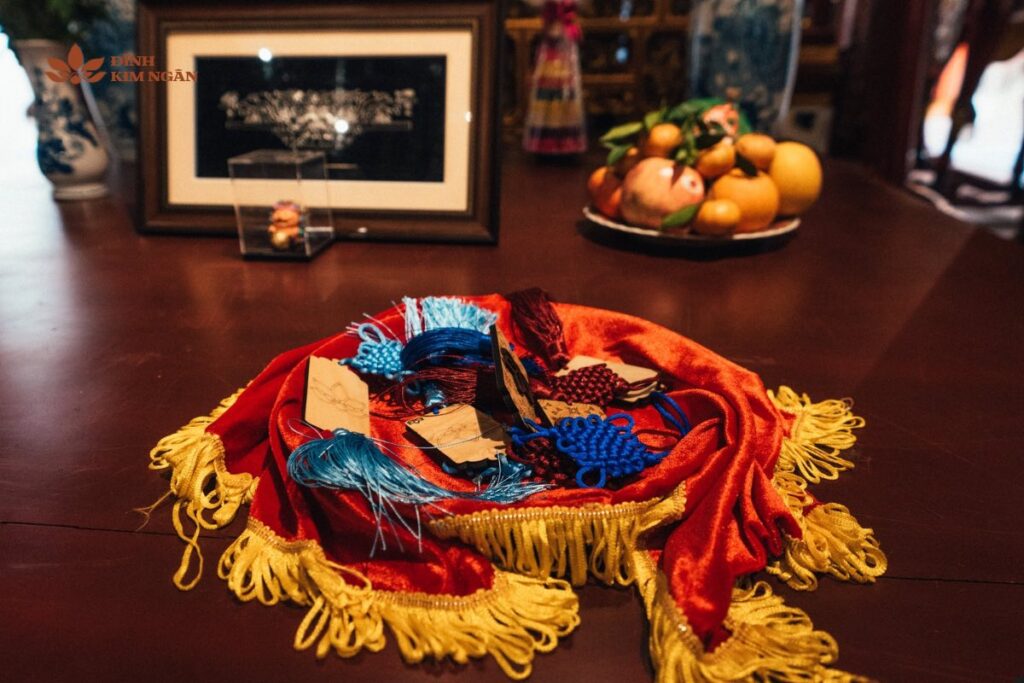
The space of Kim Ngan Communal House
This initiative fits naturally within the broader setting of the Old Quarter, an area known for preserving the deepest layers of Thang Long – Hanoi’s urban history. Beyond its commercial heritage, the Old Quarter hosts a dense network of communal houses, temples, and shrines that reflect the development of traditional craft guilds. Within this network, Kim Ngan Communal House holds particular importance and was recognized as a National Architectural and Artistic Relic in 2013.
Despite many changes over the centuries, Kim Ngan has maintained its key functions. It honors the founders of the goldsmith craft, served as a gathering place for guild members, and once supported activities such as silver casting and money exchange. Today, it continues to be a cultural and spiritual landmark for Hanoi’s goldsmith community, making it a suitable venue for interpreting the history of the craft.
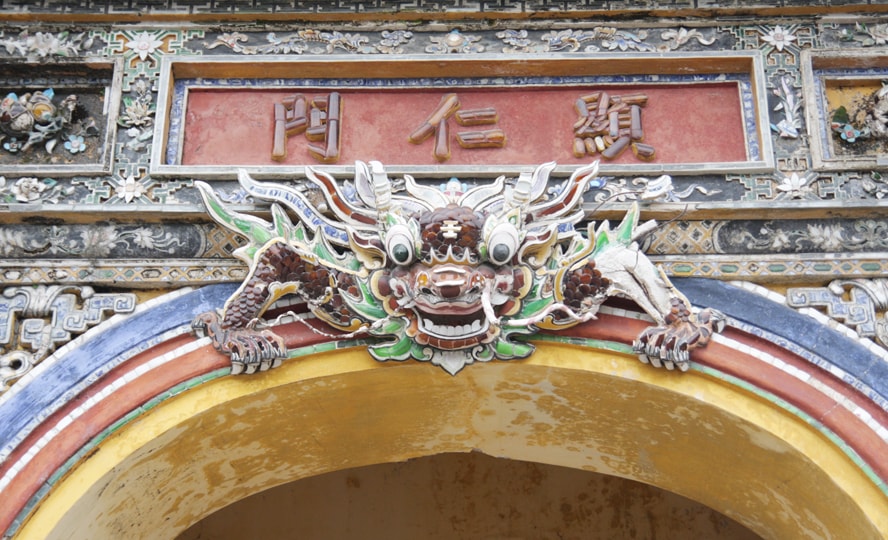
The La Hau motif in ancient Vietnamese fine arts is commonly found in traditional architectural structures. File Photo
For this project, the organizers carried out surveys, digitized architectural details and studied symbolic motifs found at the site. Seminars were also held focusing on the La Hau motif in Vietnamese fine arts. These efforts provided the foundation for redesigning traditional decorative elements in a way that remains faithful to Vietnamese cultural aesthetics while improving accessibility for visitors.
A key part of the new space is its visitor flow, designed around the traditional development stages of a craftsman’s skills. The communal house is arranged according to the classic “Cong” (工-shaped) structure, allowing guests to follow a clear storyline as they move through the space.
To enhance public engagement, the project includes cultural activities that recreate traditional techniques such as silver casting, currency exchange, pattern engraving, and handicraft making. These elements help visitors understand how the craft was practiced in everyday life.
Complementing the exhibitions, a series of workshops will run for nearly a month. These hands-on sessions offer tourists and residents the opportunity to directly interact with heritage and gain practical insight into Hanoi’s long-standing craft traditions.