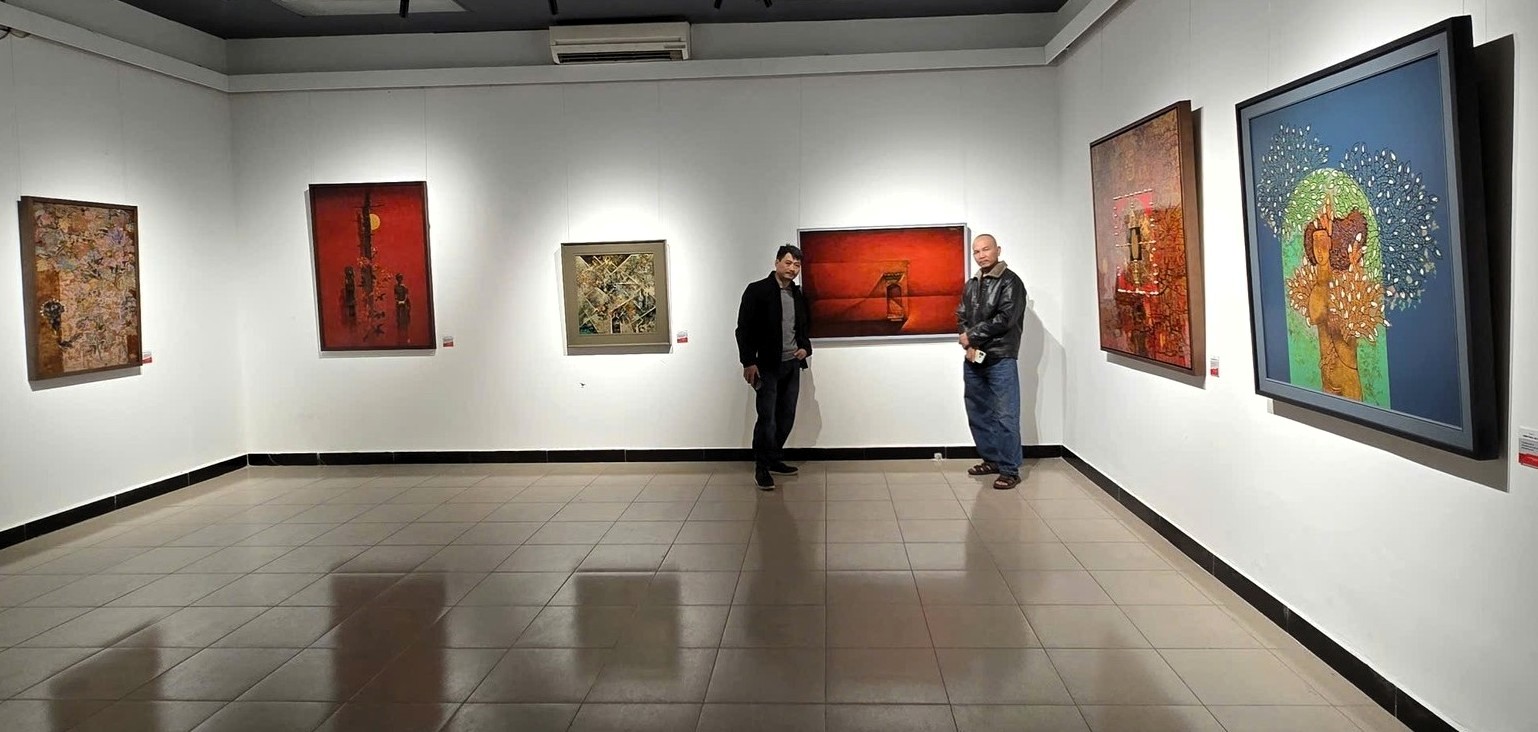
A lacquer art exhibition featuring 44 outstanding works is being held from December 13 to 22 at 29 Hang Bai Street in Hanoi, celebrating Vietnamese cultural identity and the enduring vitality of traditional lacquer painting.
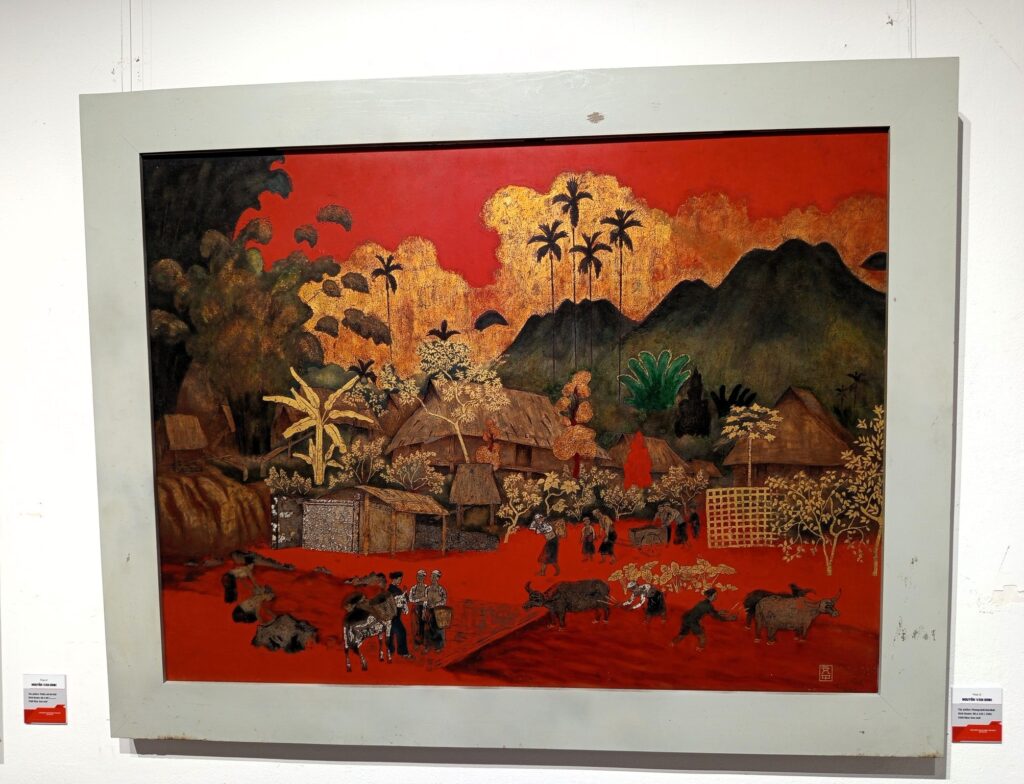
Nguyen Van Binh’s lacquer painting Hoa Binh Landscape is on view as part of the exhibition. Photo: Luong Duy
An art exhibition showcasing 44 outstanding lacquer paintings is open to the public from December 13 to 22 at 29 Hang Bai Street in Hanoi.
The exhibition is held as part of activities marking a major national political milestone, while reaffirming the stature of Vietnamese lacquer art – a distinctive cultural heritage that has been preserved, enriched, and passed down through generations of artists.
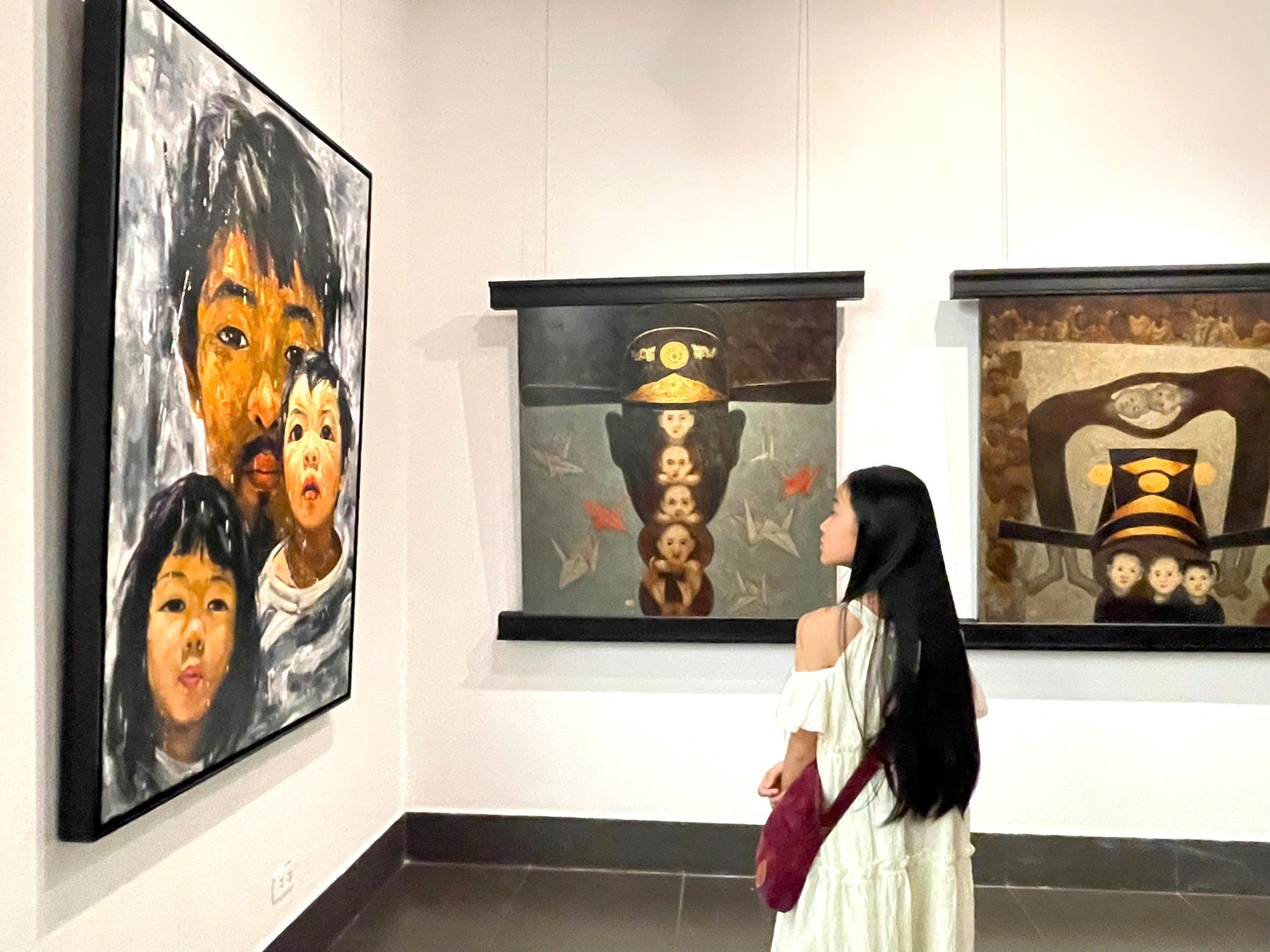
The selected works capture the beauty of Vietnam’s landscapes, people, and cultural identity through diverse artistic perspectives. Themes range from history and tradition to the creative energy of contemporary life, reflecting both continuity and innovation within the lacquer art form.
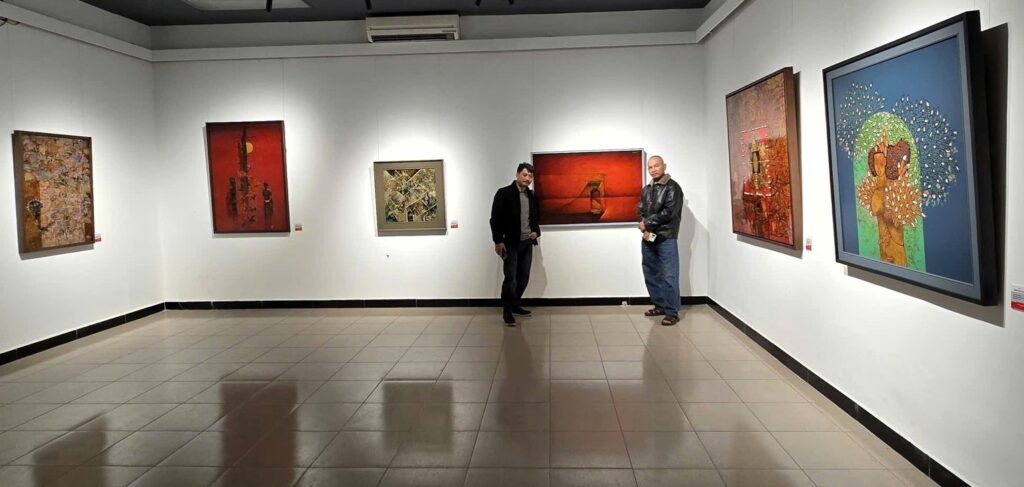
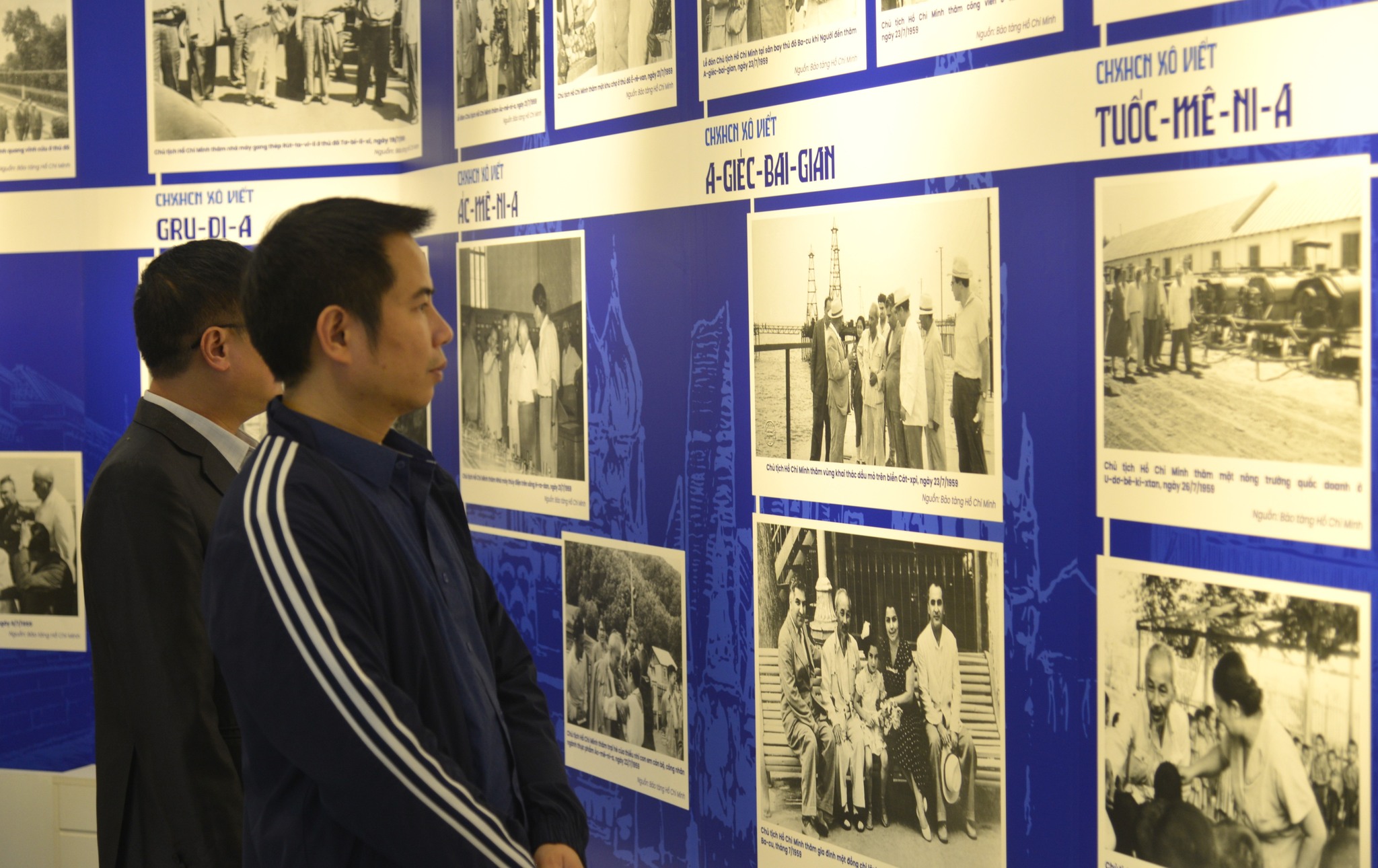
View of the exhibition space. Photo: Luong Duy
Among the highlights are several iconic works widely regarded as milestones of Vietnamese fine arts, including Hoa Binh Landscape by Nguyen Van Binh, Uncle Ho with Children by Nguyen Nghia Duyen, Chi Lang Pass by Le Quoc Loc, Road to Pac Bo Cave by Tran Dinh Tho, Ha Long Boats by Nguyen Van Ty, Vietnamese Bamboo by Pham Hoang Van, Village Alley by Nguyen Phuc Loi, Em Xoan by Bui Huu Hung, and Echoes of the Central Highlands by Tran Tuan Long.
Speaking at the event, Ta Quang Dong, Vice Minister of Culture, Sports and Tourism, emphasized that lacquer art is a uniquely Vietnamese art form that embodies the nation’s cultural identity.
Over time, he noted, lacquer painting has preserved its traditional values and evolved through experimentation and innovation, demonstrating the enduring vitality of Vietnam’s fine arts in an era of global integration.
Beyond honoring artistic heritage, the exhibition also helps promote the image of a modern Vietnam that remains deeply rooted in its cultural traditions, reaching both domestic and international audiences.
By Khanh Khanh