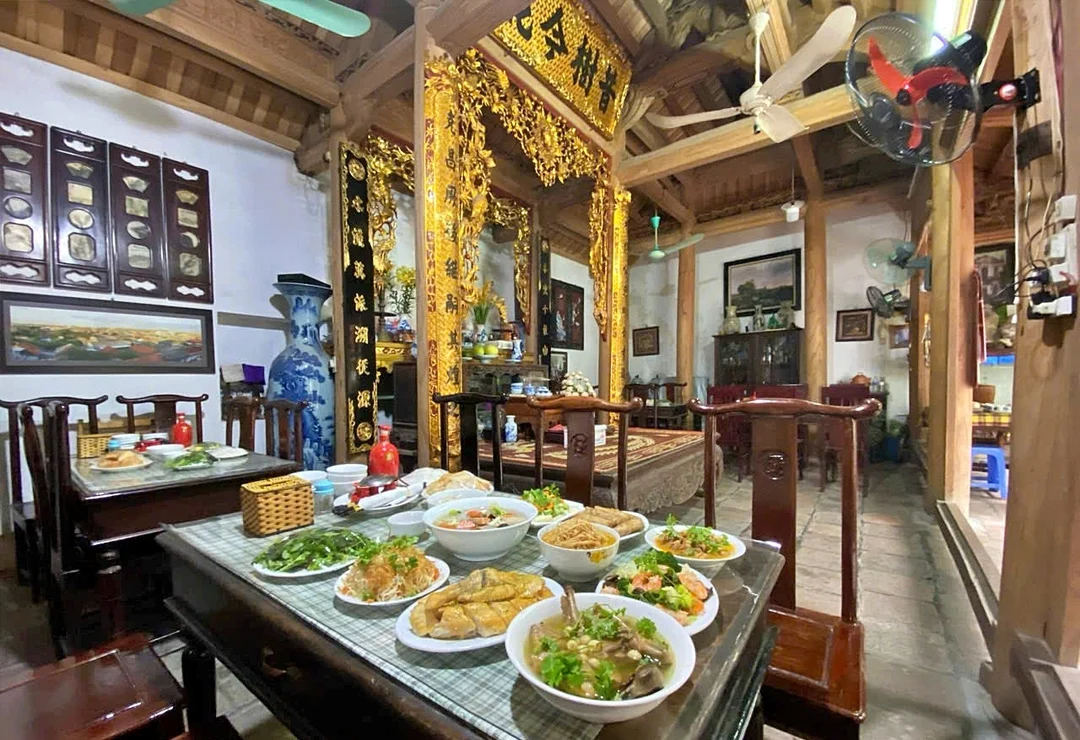
The museum will enrich public knowledge and perspectives on the legacy of one of the pioneering figures of contemporary Vietnamese art.
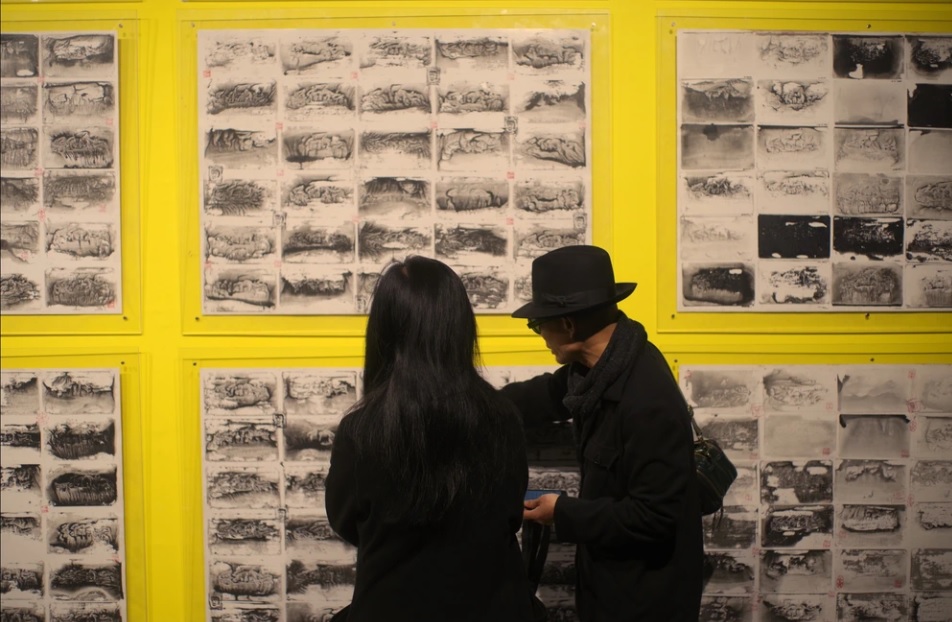
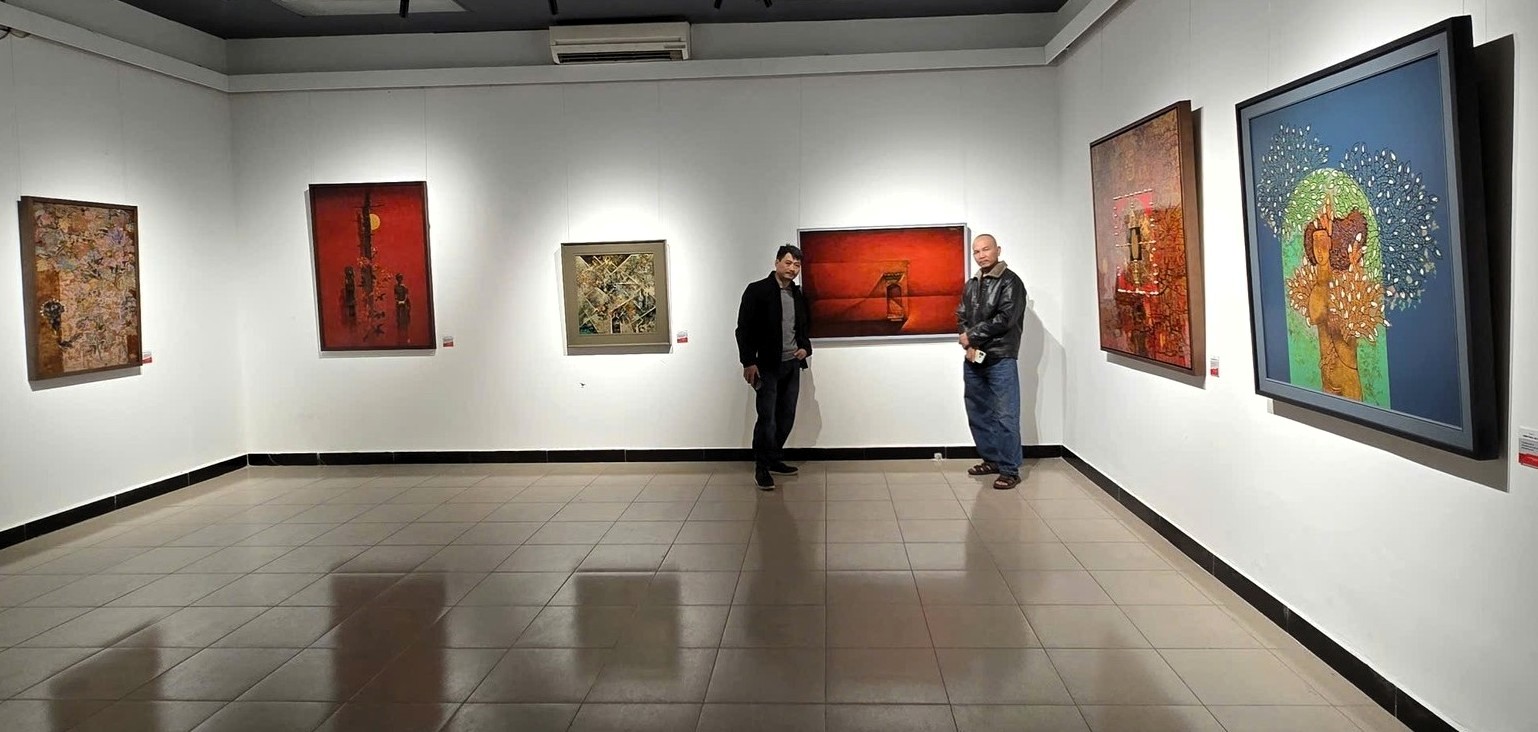
A display space inside the Vu Dan Tan Museum. Photo courtesy of the museum
The Vu Dan Tan Museum officially opened to the public in Hanoi on December 10, 2025, at 443 Ngoc Thuy Street in Long Bien Ward, Hanoi.
Established with a commitment to preserving, researching, documenting, and showcasing the artist’s body of work to both domestic and international audiences, the museum is not only a repository of artistic memory but also aspires to become a space for dialogue, scholarship, and education in contemporary art.
“We hope to build a true public museum, one that is connected to the art community and to society at large,” said Natalia Kraevskaia, Executive Director of the Vu Dan Tan Museum.
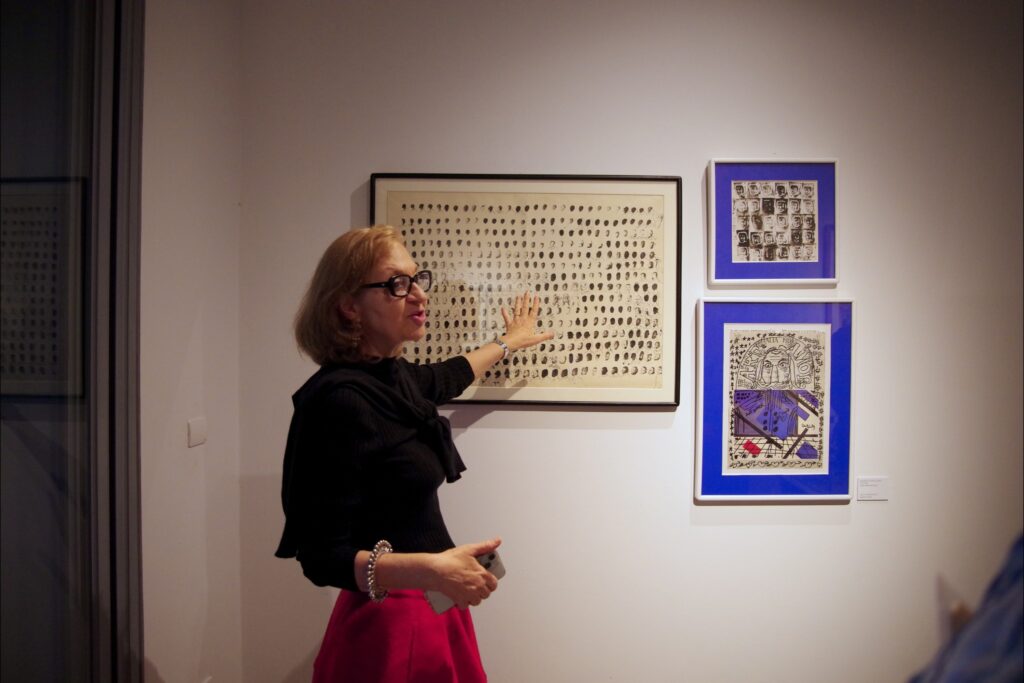
Natalia Kraevskaia, the wife of late artist Vu Dan Tan, presents her husband’s artworks. Photo: Vu Dan Tan Museum
Accordingly, the museum will organize activities such as art tours, exhibition tours, themed talks, and workshops to broaden public engagement and strengthen its connection with the creative community. Beyond its exhibition role, the museum aims to grow into a center for research and education in contemporary art, fostering long-term academic initiatives.
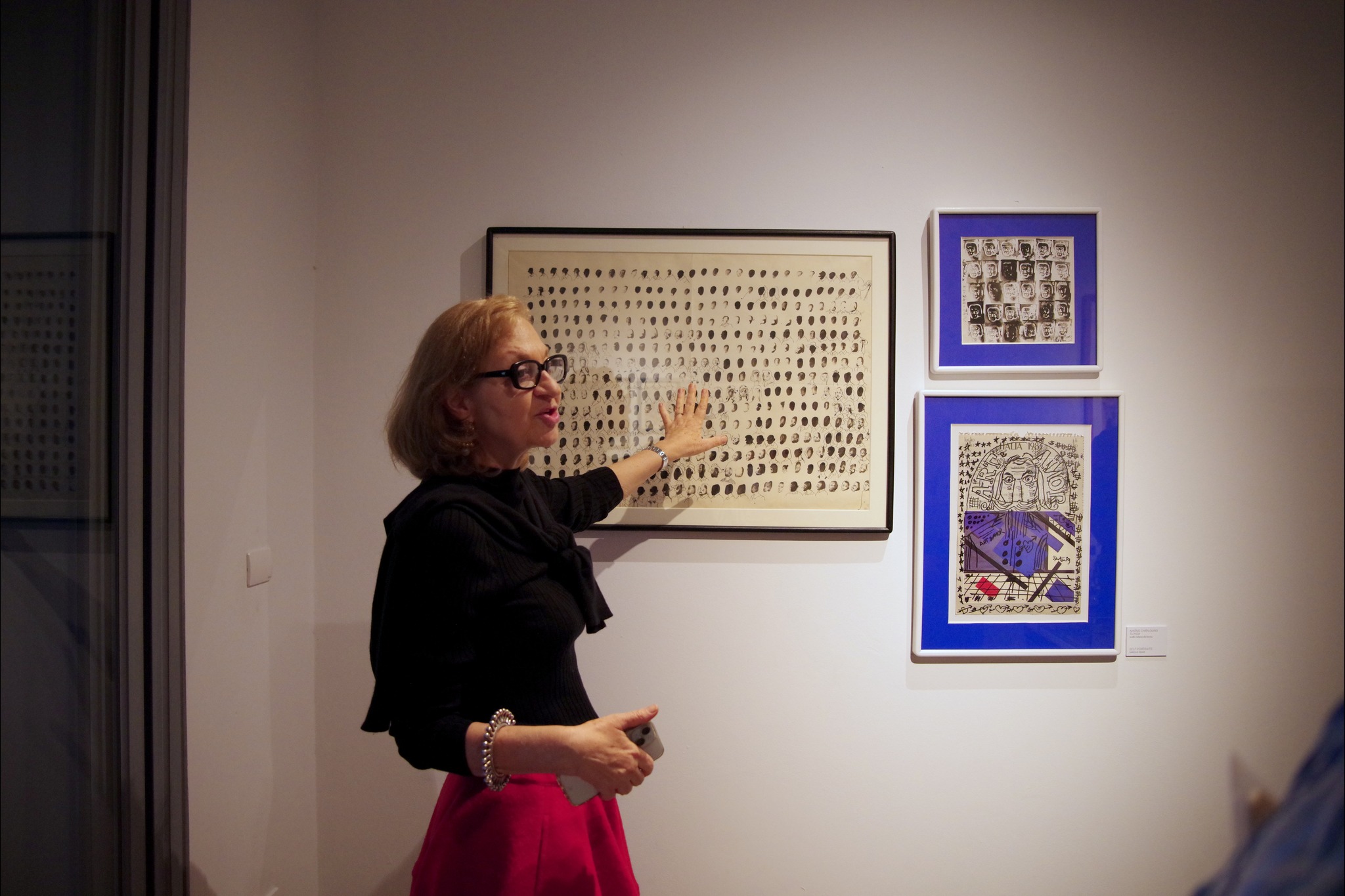
The museum houses a diverse collection of Vu Dan Tan’s works, including installations, sculptures, paintings, drawings, prints, artist books, as well as musical and literary manuscripts he wrote or compiled. Many of these materials are being made public for the first time.
Designed by architect Hoang Le, the museum sits on the very site that once served as Vu Dan Tan’s studio – an intentional and symbolic choice that bridges his creative past with the present and future of Vietnamese contemporary art.
Vu Dan Tan (1946- 2009) is regarded as an artist with sharp, independent thinking and a deep engagement with social life. As early as the 1970s, he stepped away from conventional artistic frameworks to experiment with new forms of expression.
By the 1990s, his practice expanded into graphics, installation, and performance, incorporating everyday objects and non-traditional materials. For him, art was not only an act of personal creation but also a communal endeavor, a way to reflect on culture and the era he lived in. This spirit was embodied in Salon Natasha, the art space founded by Vu Dan Tan and his wife, Natalia Kraevskaia, in 1990.
The openness and pioneering ethos of Salon Natasha continue and evolve in the new Vu Dan Tan Museum. The museum’s establishment is not only a tribute to the late artist, who passed away in 2009, but also an invitation for today’s public to embark on a renewed dialogue with contemporary art.
By Cam Anh