An immersive exhibition in Hanoi brings visitors closer to Ho Chi Minh’s formative years in Russia, revealing the places, ideas and friendships that shaped his lifelong mission for Vietnam’s independence.
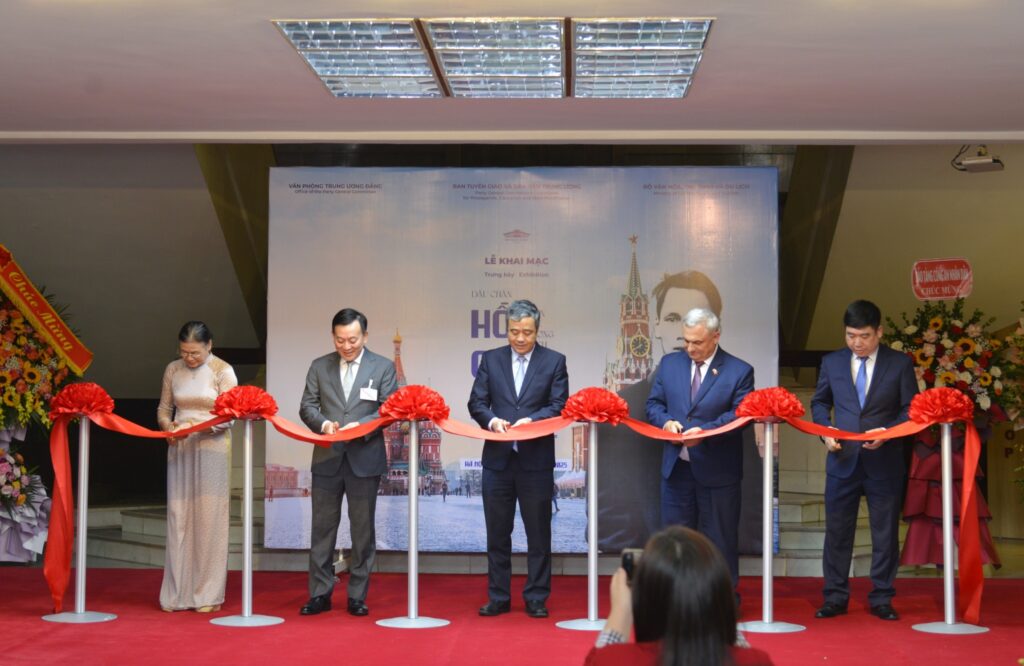
The exhibition officially opened on December 8 at the Ho Chi Minh Museum. Photo courtesy of the museum
Some 260 documents, photographs and artifacts that trace President Ho Chi Minh’s journeys in Russia now on display at the Ho Chi Minh Museum in Hanoi, offering young visitors a clearer view of his life and diplomatic legacy.
The themed exhibition, titled “Ho Chi Minh’s Footprints in the Land of the October Revolution”, marks the 75th anniversary of diplomatic relations between Vietnam and Russia (January 30, 1950) and the 108th anniversary of the Russian October Revolution (November 7, 1917).
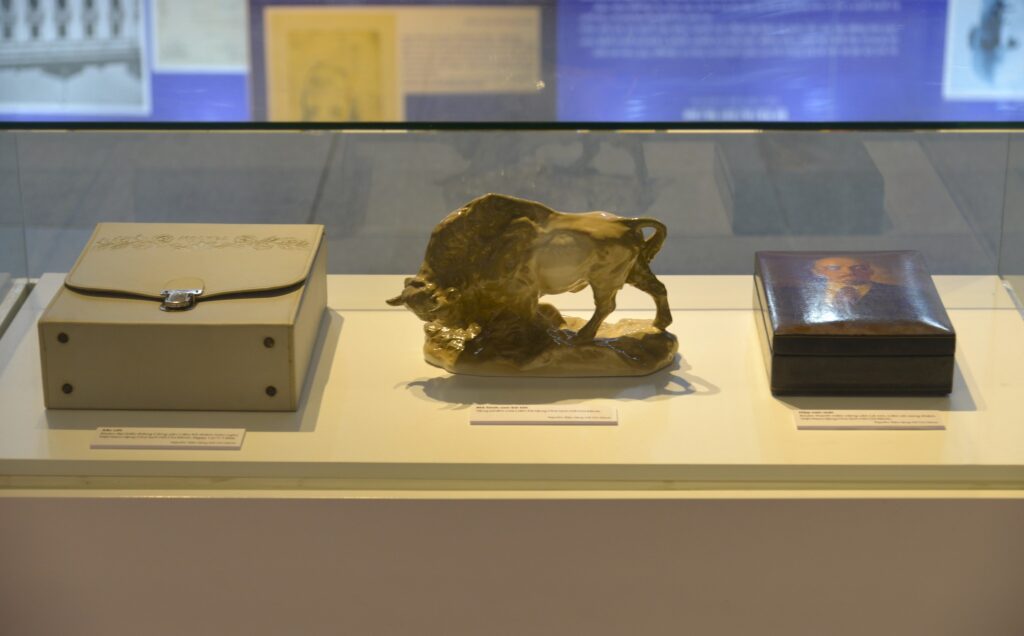
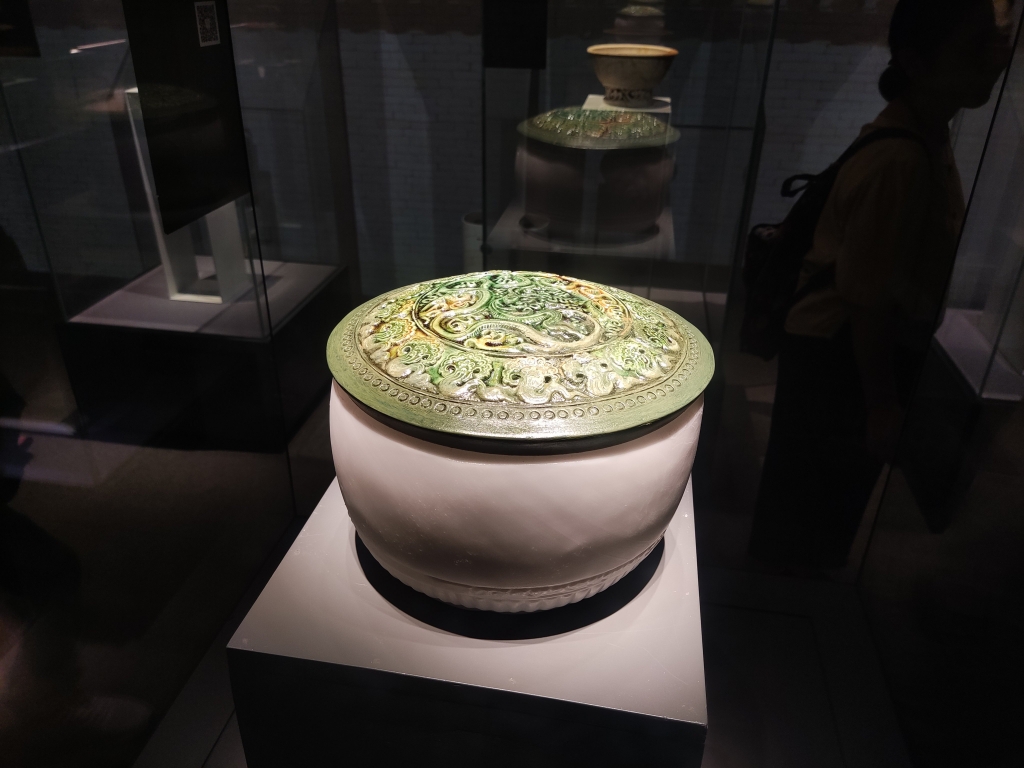
Artifacts featured in the exhibition.
Open until April next year, the exhibition traces President Ho Chi Minh’s early travels to Russia, birthplace of Vladimir Lenin and the October Revolution.
Lenin’s ideology guided Nguyen Ai Quoc – Ho Chi Minh in his path toward national liberation. In Russia, he lived, studied and engaged in revolutionary work, forming a deep connection with the country and its people. Materials that document his three visits to Russia give visitors a direct look at the environment where he learned and worked during pivotal stages of his revolutionary path.
The exhibition features three sections: “In Search of a Nation’s Identity- The Journey Through Russia”, “Across the Vast Soviet Union- Strengthening Friendship” and “Everlasting Vietnam- Russia Ties”. Together, they recreate key places where he studied, worked and met Soviet citizens.
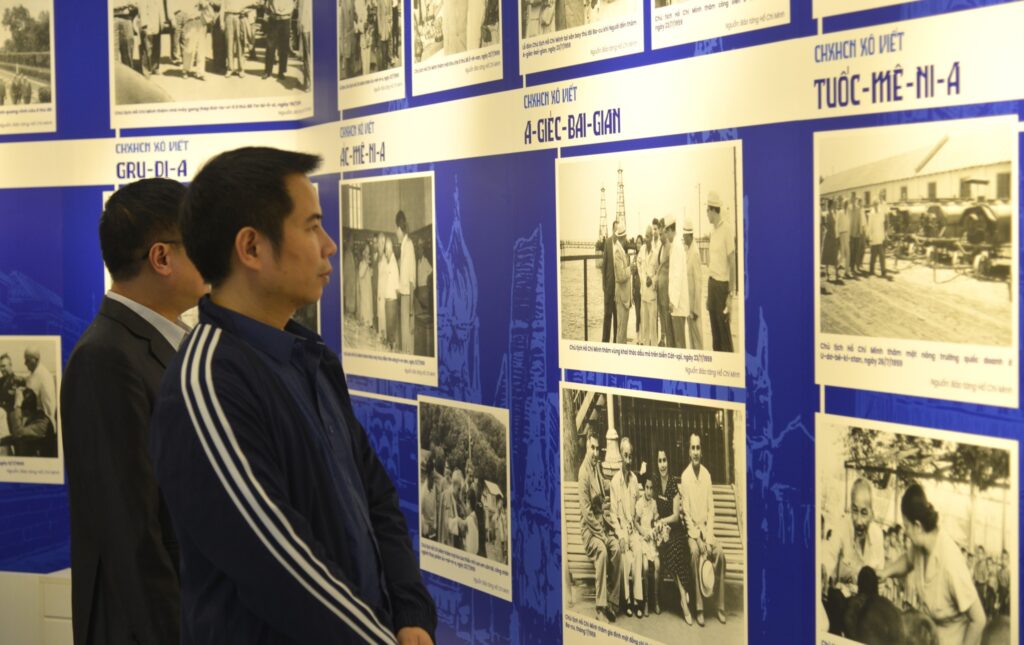
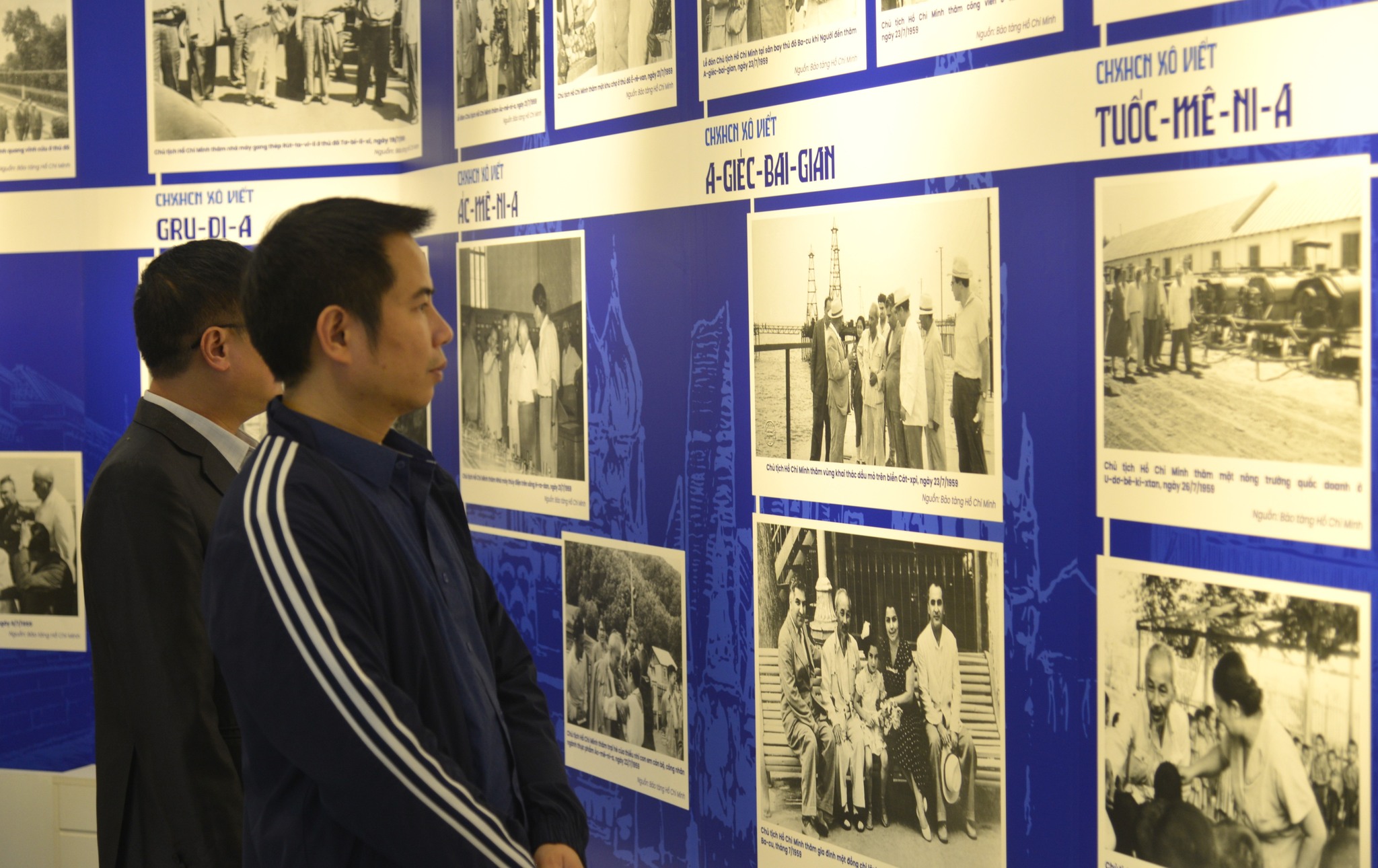
Visitors explore the exhibition, learning about President Ho Chi Minh’s early communist career.
This year’s display includes several items shown in Vietnam for the first time, including the book titled “The Fifth World Congress of the Communist International in 1924”, a photo collection from President Ho Chi Minh’s 1955 visit to the Soviet Union and his handwritten note at the Ural Geological Museum. These materials give visitors a vivid, firsthand view of his diplomatic activities during the 20th century.
Vu Manh Ha, Director of the Ho Chi Minh Museum, said the museum has selected nearly 300 rare documents and artifacts to portray Nguyen Ai Quoc- Ho Chi Minh’s revolutionary steps in Russia during the years 1923-1924, 1927 and 1934-1938, as well as his official visits to the Soviet Union after 1950 as Head of State. “These exhibits serve as a powerful testament to the enduring friendship between the two peoples,” he said.
By Khanh Khanh