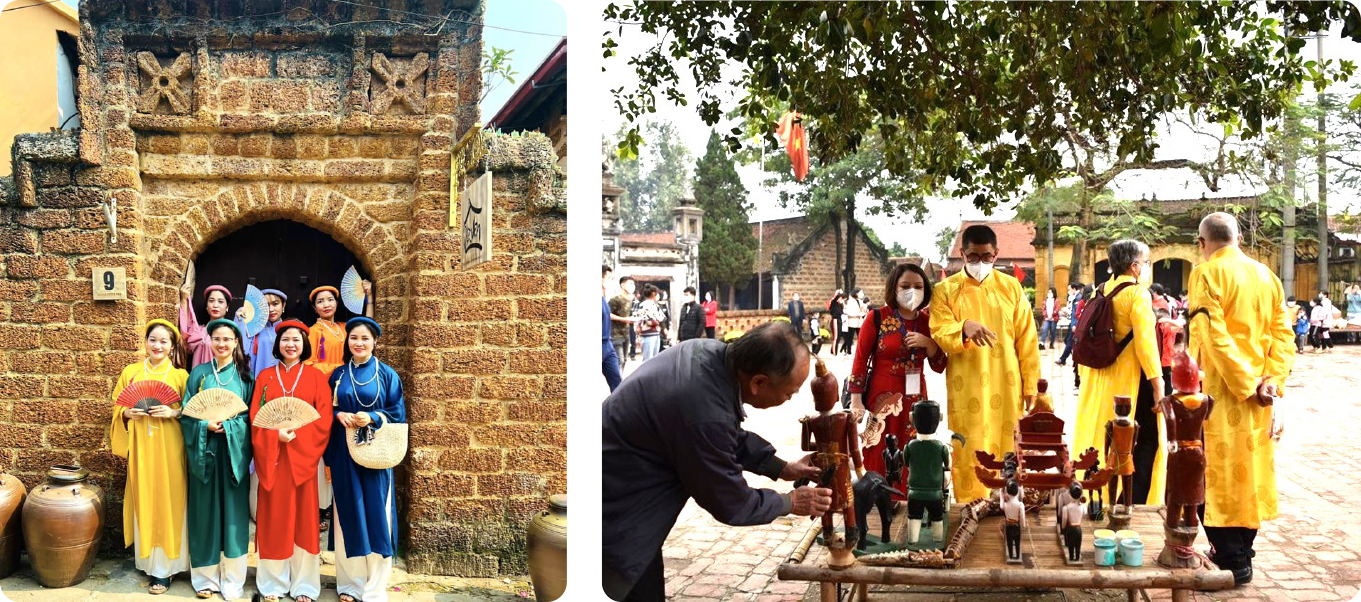
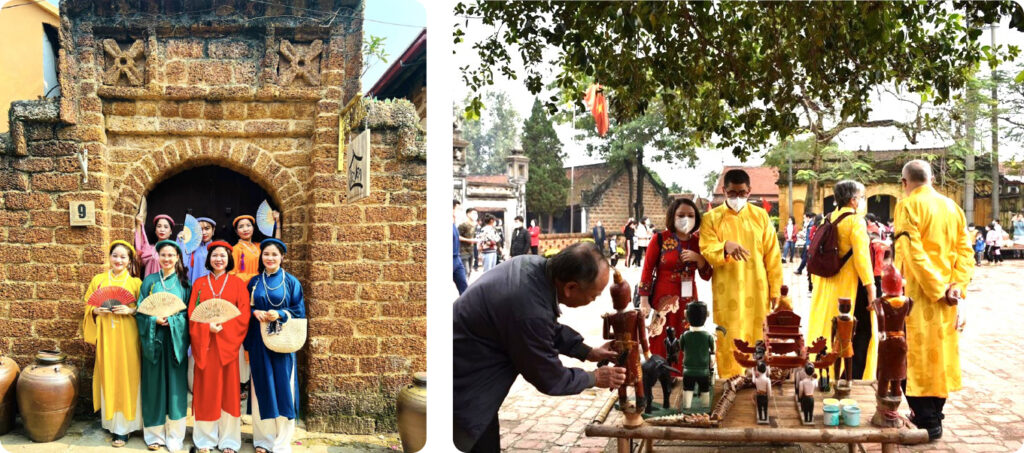
Hanoi is turning to its roots, literally, to breathe new life into its travel industry. By tapping into centuries-old craft villages, lush rural landscapes, and everyday cultural practices, the capital is betting big on community-based tourism to both lure international visitors and empower local residents.
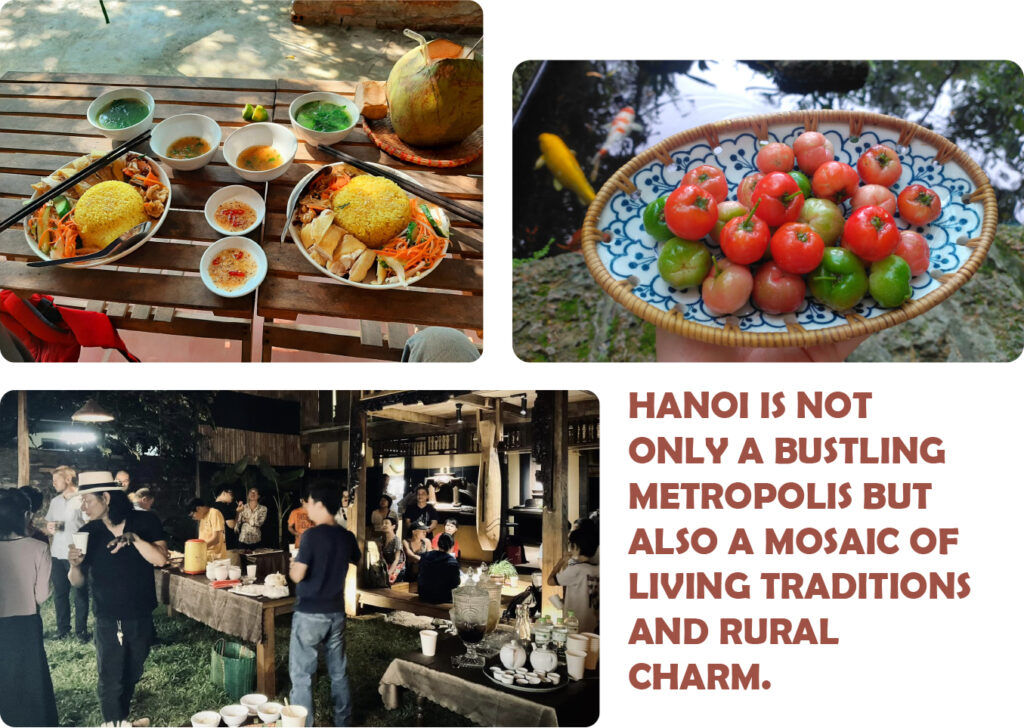
For a city that has long drawn travelers to its Old Quarter, temples and street food, this shift signals a broader strategy that showcases Hanoi not only as a bustling metropolis but also as a mosaic of living traditions and rural charm.

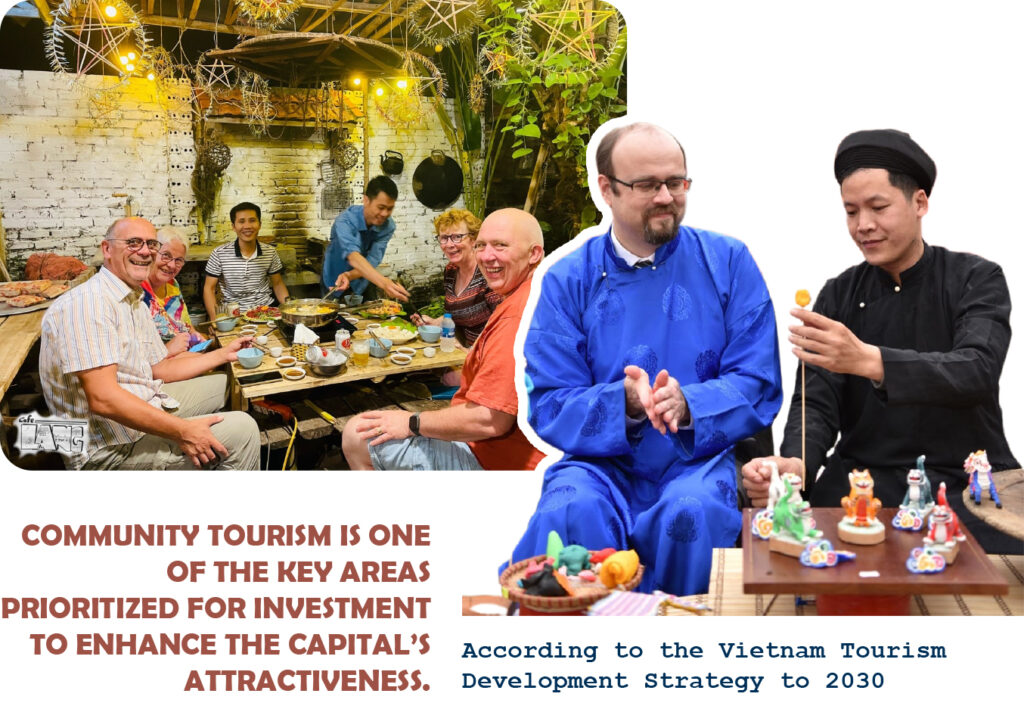
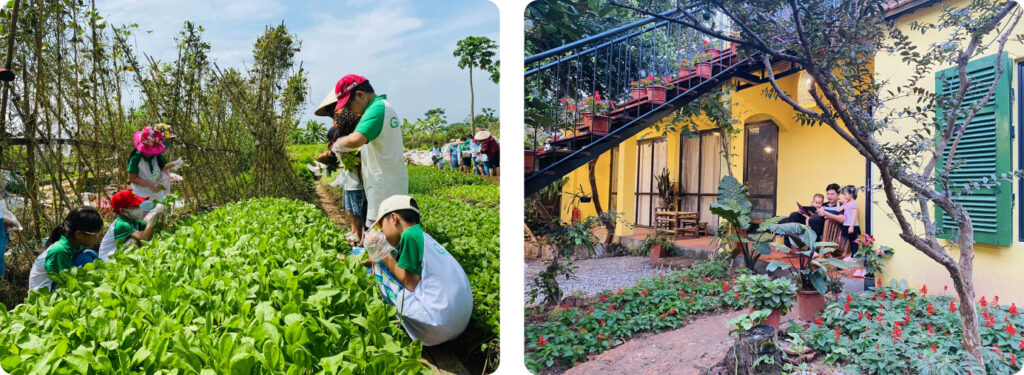
In Suoi Hai Commune, at the foot of Ba Vi Mountain, the courtyard of Dinh Thi Hao’s home doubles as a stage for cultural exchange. Hao’s family still tends their farm, but their life has expanded to include a steady flow of guests, many from the United States and Canada, who come to sleep in simple rooms, share countryside meals and join in tea-picking or fishing in nearby ponds.
“It’s about sharing our way of life. People come not just to see the village, but to live in it for a while,” said Hao.
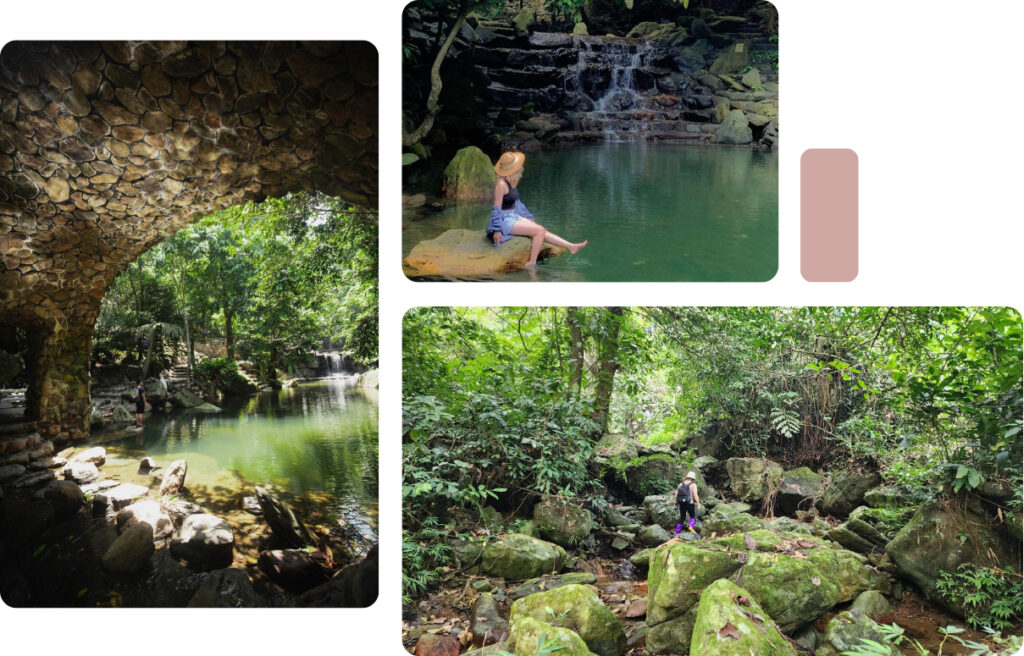
Guests can immerse themselves in authentic countryside experiences such as tea picking, fishing in local ponds, and savoring traditional Vietnamese country cuisine, all while enjoying the tranquil ambiance of Ba Vì’s lush landscape,” she added.
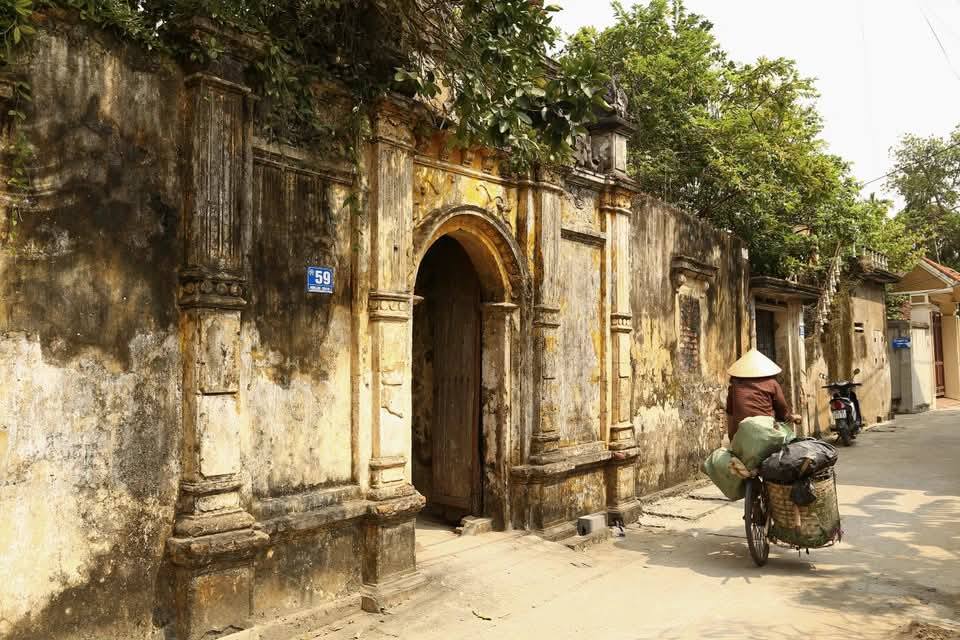
A short drive away, Duong Lam Ancient Village in Son Tay has become a model for how Hanoi’s suburbs can embrace tourism without losing their soul. Roughly 10% of households now offer homestays, home-cooked meals, and cultural tours.
For travelers, the village offers the chance to walk along moss-covered lanes, admire centuries-old laterite houses, and take part in activities that connect them to local history.
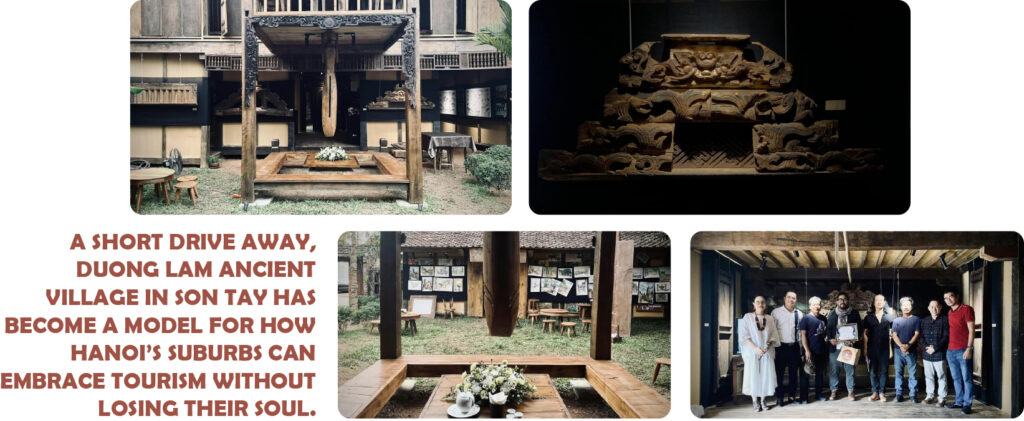
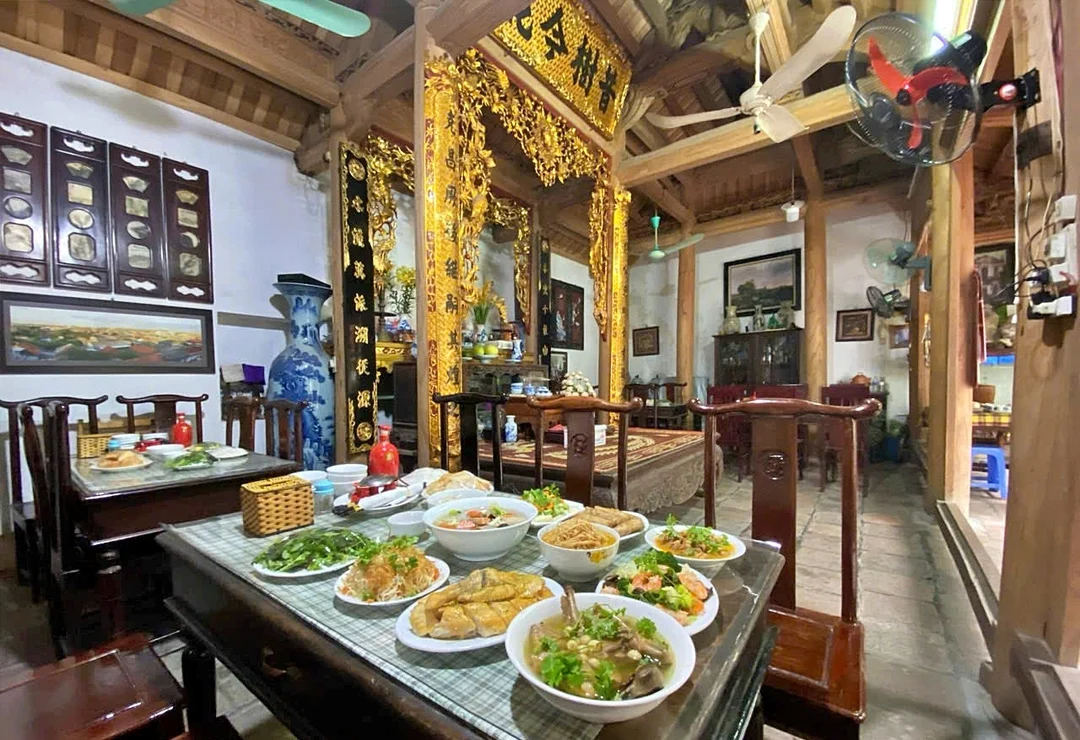
One of the highlights is the Elephant’s House Homestay, which immerses guests in the rhythms of rural life. Nearby, the Art Glass Workshop lets visitors try their hand at traditional craft-making, while the centuries-old home of Nguyen Van Hung, recipient of a UNESCO heritage conservation award, welcomes guests for meals and overnight stays.
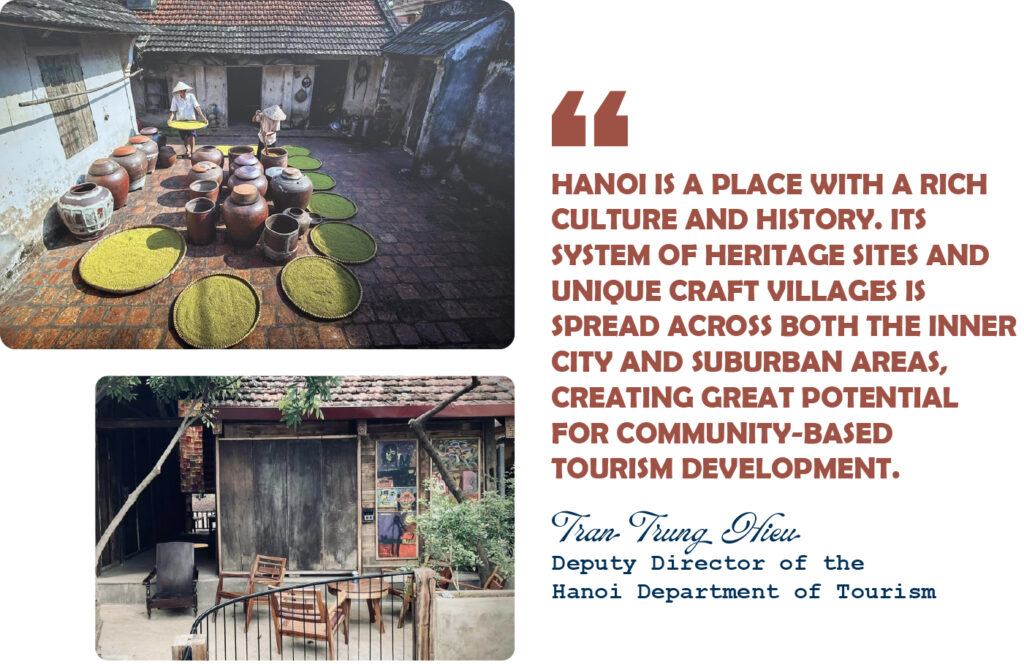
Hung’s family even teaches tourists how to prepare Lam tea and Ban fermented sauce, turning heritage preservation into a sustainable livelihood.

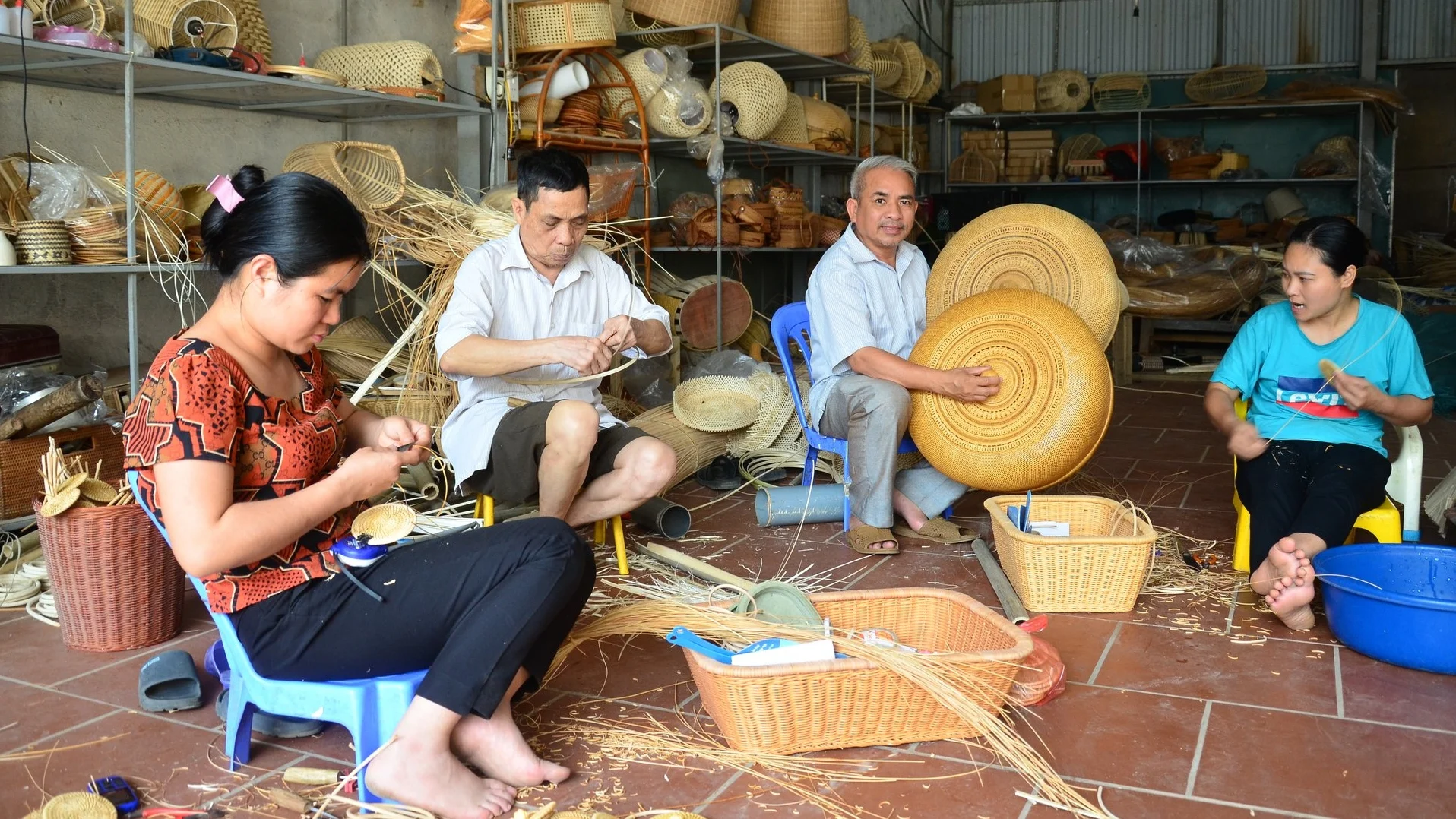
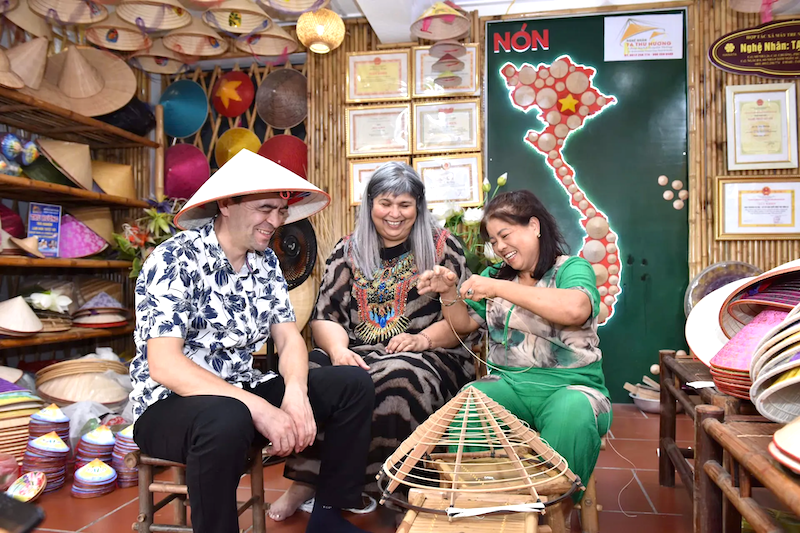
Hanoi is not short on assets. With 1,350 recognized craft villages, from ceramics and puppetry to photography and herbal medicine, the city is a living museum of intangible heritage. Officials see these communities as the backbone of a diversified tourism strategy that extends beyond downtown Hanoi.
Among the standouts are Bat Trang Ceramic Village, where artisans have shaped clay for centuries; Dao Thuc Village, home to Vietnam’s ancient water puppetry; Lai Xa Village, birthplace of the country’s early photographers; and Suoi Hai’s Dao ethnic community, which shares its traditional herbal medicine practices with curious visitors.
Tran Trung Hieu, Deputy Director of the Hanoi Department of Tourism, noted that community-based tourism has helped generate jobs, restructure the local economy, improve people’s livelihoods and promote cultural heritage as well as traditional craft and agricultural products.
“Community-based tourism has created jobs, transformed the economic structure, improved local living standards, and at the same time highlighted the value of cultural heritage, craft villages and agricultural products,” said Hieu.
Under the Vietnam Tourism Development Strategy to 2030, the government has identified community tourism as a core pillar. In line with this orientation, Hieu said Hanoi has been making strong efforts to expand its community-based tourism network, aiming not only to enhance the capital’s attractiveness to foreign markets but also to set a model for sustainable, inclusive growth that other localities across the country can follow.

Despite the promise, community-based tourism in Hanoi faces real hurdles. Much of it remains informal, with services largely run by households rather than professional operators. This has meant inconsistent quality and limited facilities, particularly overnight accommodation, restricting many visits to daytime only.
“Accommodation is the most significant challenge. Without proper facilities, the experience feels incomplete,” said Phung Quang Thang, Chairman of the Hanoi Tourism Association.
According to Nguyen Van Tai, CEO of VietSense Travel, the development of community-tourism has often been spontaneous, with locals “capitalizing on whatever resources are available” rather than following structured planning. That, he warns, can lead to environmental overuse and cultural dilution, risks that threaten the very essence of community tourism.
Academics share similar concerns. Assoc. Prof. Dr. Pham Hong Long of Vietnam National University stresses that planning must be comprehensive, not piecemeal. “Creative and locally appropriate ideas are essential to avoid repetition and to keep experiences authentic.”
“Equally important is educating communities on respectful communication and service standards,” said Long.
Training, infrastructure and skill development, he added, must go hand in hand with investment. Otherwise, the sector risks stagnation.

For Hanoi, the challenge lies in balancing preservation with innovation. Community-based tourism works best when it does not merely turn heritage into a backdrop, but instead allows it to live and breathe.
At Bat Trang, for instance, workshops where tourists can mold clay are now paired with contemporary exhibitions that show how ceramics influence modern design. In Dao Thuc, puppet masters are training a younger generation to ensure the centuries-old water puppetry art form continues to thrive.
Experts argue that such integration of tradition and adaptation is essential. Dr. Vu An Dan from Hanoi Open University emphasizes policies that invest in human resources: “Locals need skills to manage visitors and tell their own stories effectively. Otherwise, the uniqueness of these villages risks being lost.”
Meanwhile, state support remains crucial. Favorable policies, targeted investment, and the creation of collaborative networks between communities, travel agencies, and local governments are needed to sustain growth.
“This requires in-depth research into the lives of local residents, their cuisine, customs, and daily habits. Only then can we identify and preserve the community’s core values,” said Nguyen Anh Tuan, Director of the Institute for Tourism Development Research.

To accelerate growth, Hanoi’s Department of Tourism is planning to organize familiarization (FAM) tours for travel agencies, giving them firsthand exposure to suburban communities and encouraging partnerships. Officials also hope to attract investment in infrastructure while ensuring projects avoid the pitfalls of fragmentation and over-commercialization.
“Community tourism is one of the key areas prioritized for investment to increase the attractiveness of tourism in the capital,” the city’s Tourism Development Strategy to 2030 declares.
For many rural families, such efforts could mean the difference between seeing heritage decline and watching it evolve into a sustainable livelihood. For travelers, it means peeling back the urban veneer to find the quiet, authentic Hanoi that exists just beyond the city’s edge.
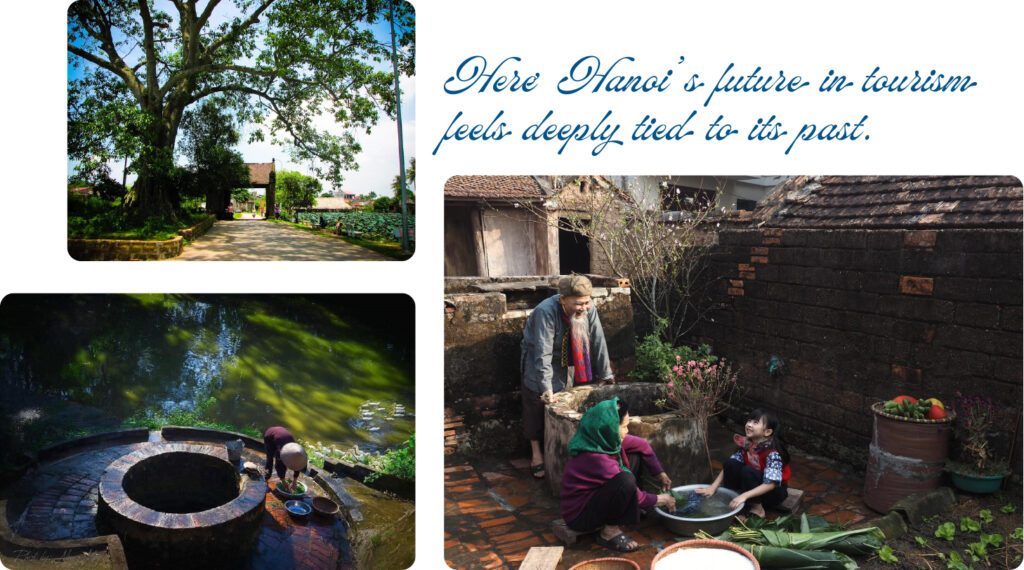
As dusk falls in Duong Lam, villagers set out mats for evening meals, the smell of fermented soy wafting from kitchens. Tourists, some jet-lagged, some wide-eyed, share low tables with their hosts, clinking glasses of homemade rice wine. Here, Hanoi’s future in tourism feels deeply tied to its past.
The fresh breeze of community tourism is more than a slogan. It is a reminder that in an age of mass travel, the most powerful experiences are often the simplest, those that invite you not just to look, but to belong, if only for a moment.